TICKSOLVE
NATIONAL TICK‐BORNE DISEASE RESEARCH
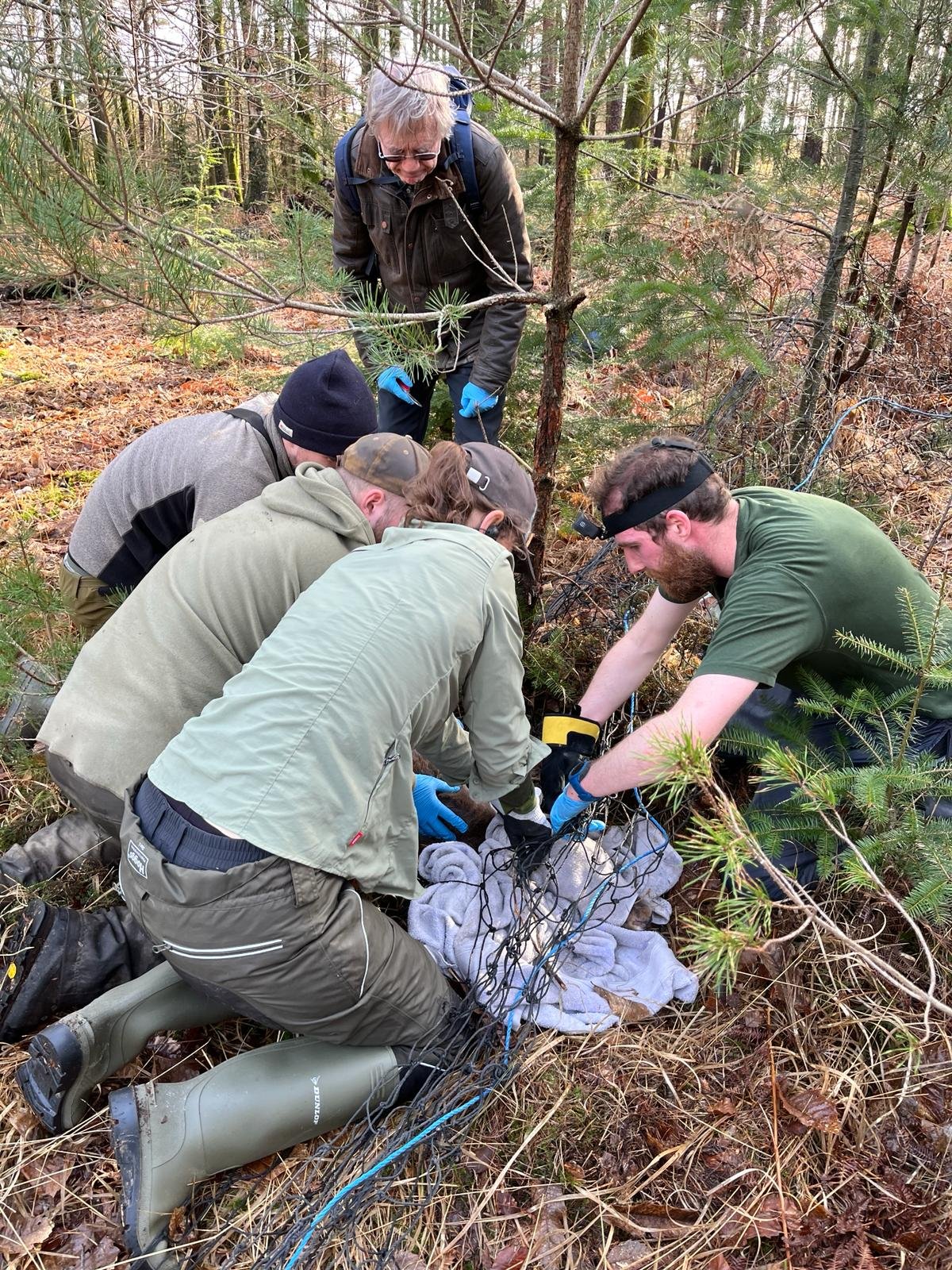
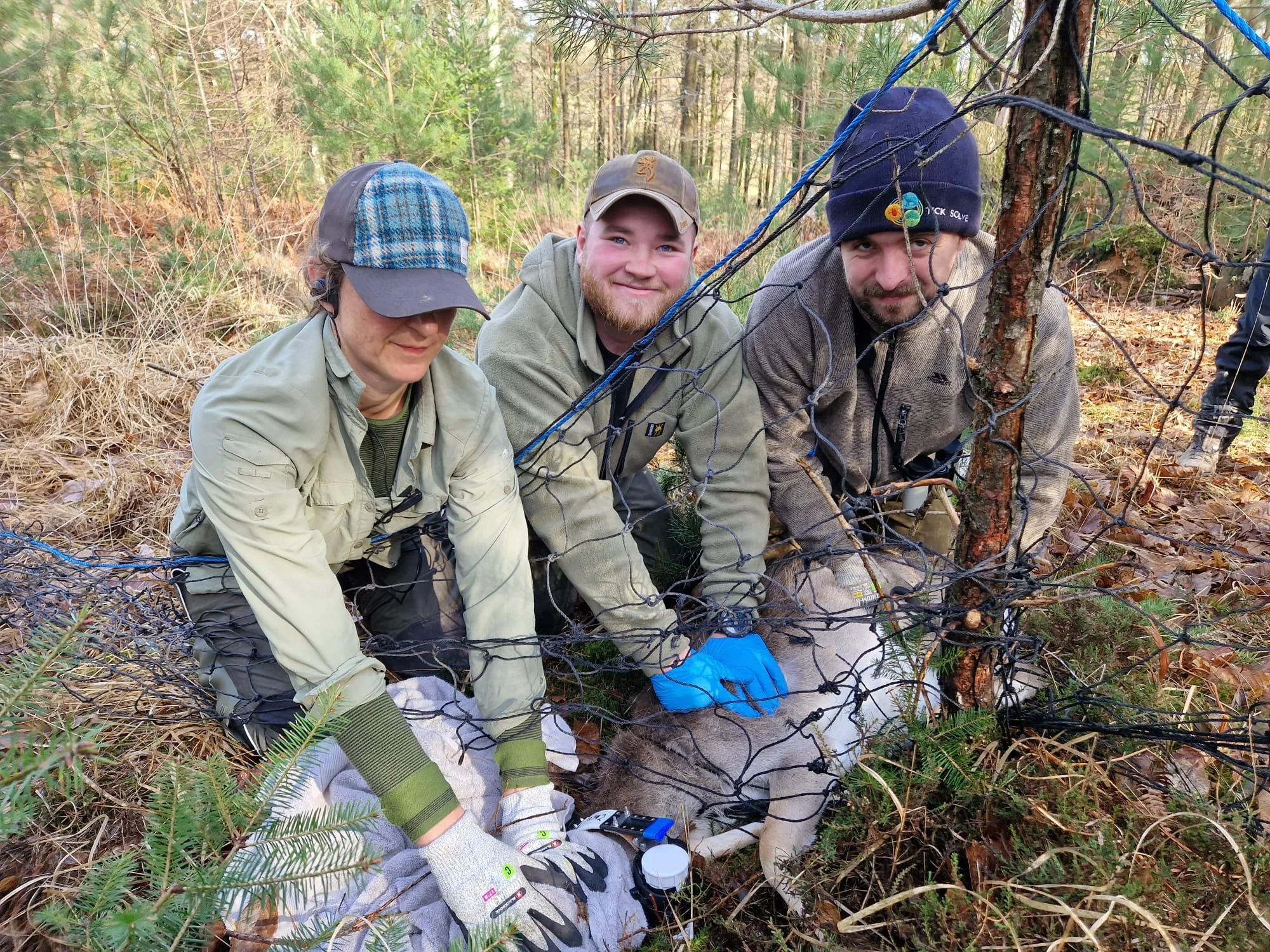
Ticks and the diseases they carry — including Lyme disease, tick-borne encephalitis, and babesiosis — represent a growing public health and animal welfare concern across the UK, with rising tick populations linked to changing land use, increasing deer densities, and shifting climate patterns. We are proud to have taken part in some of the TickSolve research, a national research and ecological solutions programme bringing together land managers, ecologists, and public health specialists to develop practical, evidence-based approaches to tick population management and disease risk reduction. Our contribution to the programme draws on our fieldwork across a range of habitats, providing valuable ground-level data on tick activity, host species, and the landscape factors that influence tick abundance and distribution. This collaborative approach sits at the heart of what we do — combining rigorous survey methodology with a genuine commitment to finding solutions that work for wildlife, livestock, land managers, and the wider public. Participation in TickSolve reflects our belief that effective conservation and land management must be informed by the best available science, and that the challenges posed by tick-borne disease are best addressed through coordinated, landscape-scale thinking rather than piecemeal intervention.