


HOW WILDFORCE CAN HELP YOU
Deer Within Local Nature Recovery Strategies (LNRS)
Deer play an important role in the countryside, but where populations become too high they can significantly affect the success of habitat restoration and nature recovery. Within Local Nature Recovery Strategies (LNRS), effective deer management is recognised as an important tool for supporting woodland creation, natural regeneration, species-rich habitats, and biodiversity objectives. By maintaining deer populations at sustainable levels, land managers can help ensure that conservation projects and landscape-scale restoration efforts achieve their intended outcomes while balancing the needs of wildlife, people, and the environment.
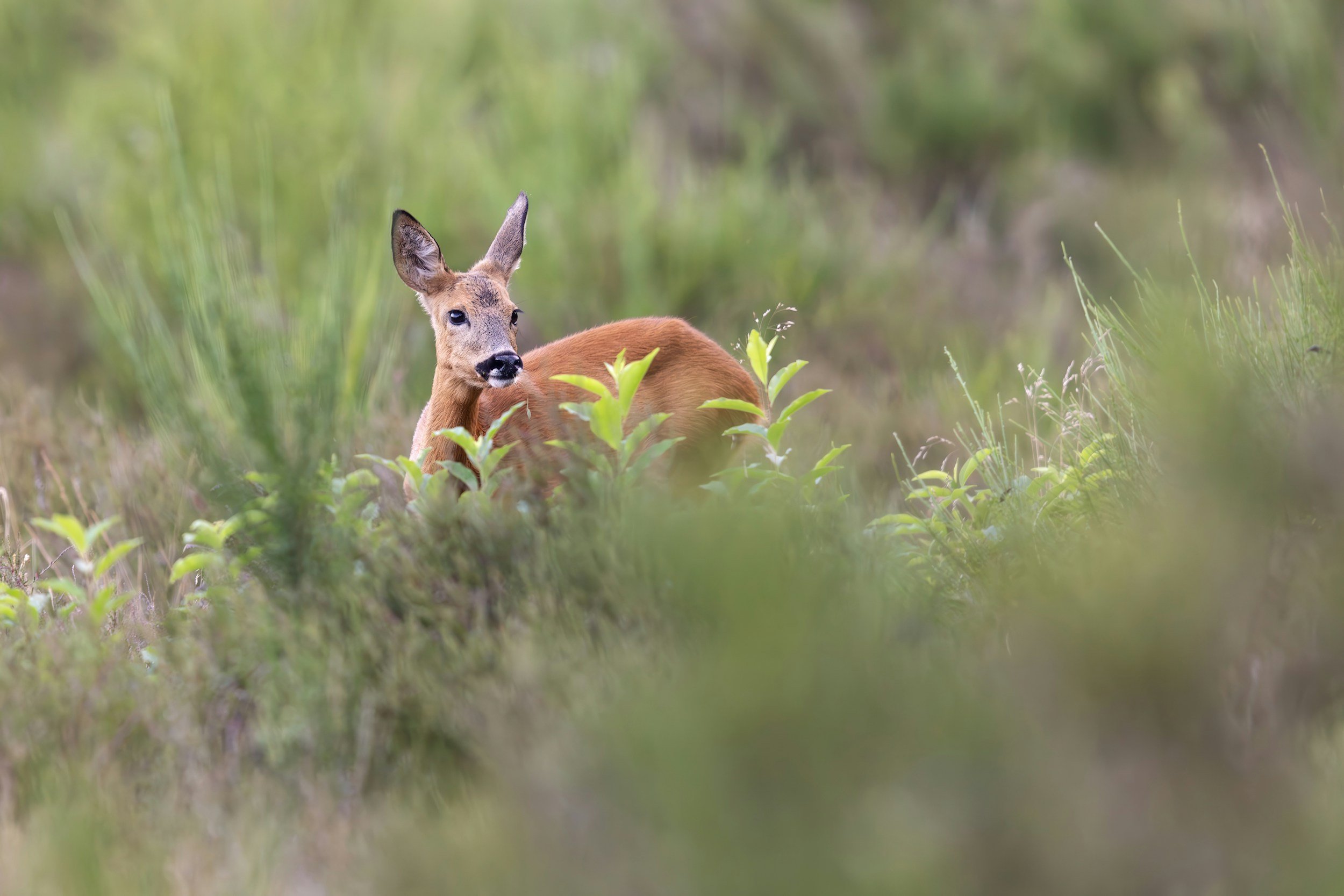
Why Deer & Grey Squirrel Management Matters
Effective deer and grey squirrel management plays a vital role in protecting woodlands, supporting biodiversity, and safeguarding long-term investments in forestry and habitat creation. By reducing browsing, bark stripping, and other forms of damage, proactive management helps improve tree establishment, encourage natural regeneration, and create healthier, more resilient landscapes for future generations.
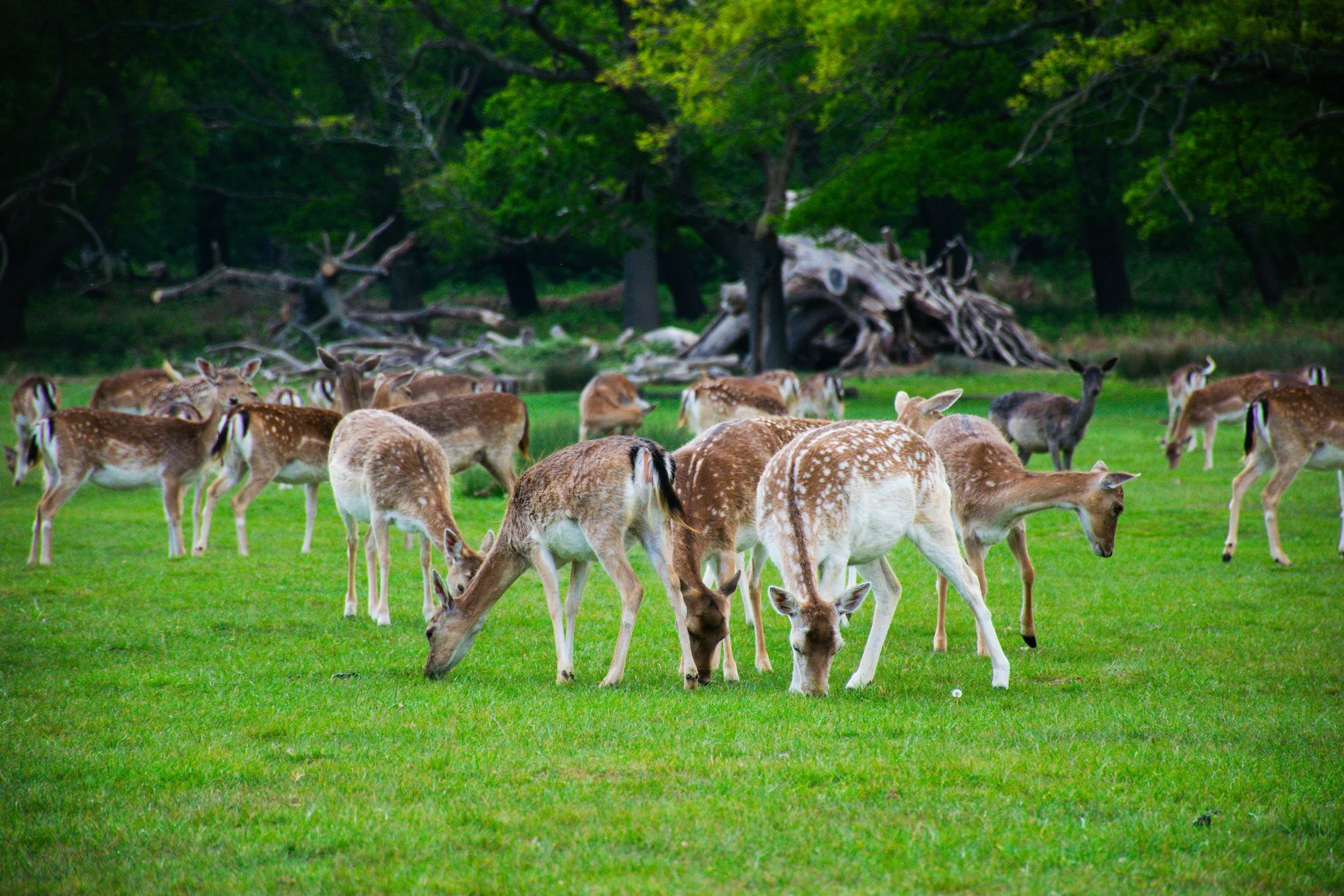
Deer Impact Assessments: A Practical Guide for Woodland Management and Woodland Creation
If you're planning a new woodland or managing an existing one, deer are probably one of the biggest risks to its success. A deer impact assessment gives you the evidence you need to plan tree protection, design a deer management strategy, and meet the conditions of woodland grant schemes. This guide explains what these assessments involve, why they matter for both woodland creation and woodland management, and how to get started.
British Pest Control Association’s (BPCA) Code of Best Practice: Working Dogs
I’m proud to share that Kobi, our deer tracking dog has been featured in the British Pest Control Association’s (BPCA) Code of Best Practice: Working Dogs (Version 1, 2025). This recognition highlights our commitment to maintaining the highest professional and welfare standards in the use of working dogs for pest management, wildlife tracking, crop protection, and public health. Being part of a BPCA publication underscores the skill, training, and ethical practices that guide our work every day.

SECURE THE CWS1 DEER CONTROL GRANT
Secure the CWS1 Deer Control Grant with expert, ecologist-led support from Wildforce UK. Part of the Countryside Stewardship Higher Tier (CSHT) scheme, CWS1 funding helps landowners manage deer populations, protect woodland regeneration, and enhance biodiversity. Our team guides you through every step — from Deer Management Plans (DMP) and deer enclosures to habitat impact assessments — ensuring full compliance and sustainable woodland management.

The CWS3: Grey Squirrel Control & Management grant, part of the Countryside Stewardship Higher Tier scheme, provides funding to help UK landowners reduce grey squirrel damage and protect woodland regeneration. Wildforce UK offers ecologist-led consultancy to plan, implement, and monitor grey squirrel control measures, ensuring sustainable woodland management and compliance with grant requirements.
PROTECT YOUR WOODLAND
WITH CWS3 FUNDING

High deer populations can severely impact UK woodlands by over browsing, preventing natural regeneration of trees and understorey plants. This reduces habitat for wildlife, disrupts ecosystem balance, and can lead to long-term ecological decline. Wildforce UK provides ecologist-led deer management and habitat restoration solutions to protect woodlands, promote natural regeneration, and maintain biodiversity.
DAMAGE TO WOODLANDS OVERBROWSING
PREVENTS NATURAL REGENERATION

Deer overpopulation can threaten woodland regeneration, reduce biodiversity, and damage crops and understorey vegetation. Wildforce UK offers ecologist-led deer management solutions for landowners and conservationists, including Deer Vegetation Impact Assessments (DVIA), strategic population control, habitat restoration, and ongoing monitoring. By following evidence-based management steps, you can protect your land, restore ecological balance, and ensure sustainable woodland growth.
SOLVING DEER OVERPOPULATION:
STEPS FOR LANDOWNERS & CONSERVATIONISTS
