

Why Deer Are Considered a Priority in Some LNRS Areas: Deer Density, Habitat Condition and Impact Assessments
As Local Nature Recovery Strategies (LNRS) are implemented across England, understanding the role of deer in habitat recovery has become increasingly important. While deer are a valued part of the UK's natural heritage, unmanaged populations can significantly affect the success of woodland creation, habitat restoration and biodiversity enhancement projects.
For this reason, deer are considered a priority in many LNRS areas where restoring healthy ecosystems is a key objective. The focus is not on removing deer from the landscape but on achieving sustainable population levels that allow both wildlife and habitats to thrive.
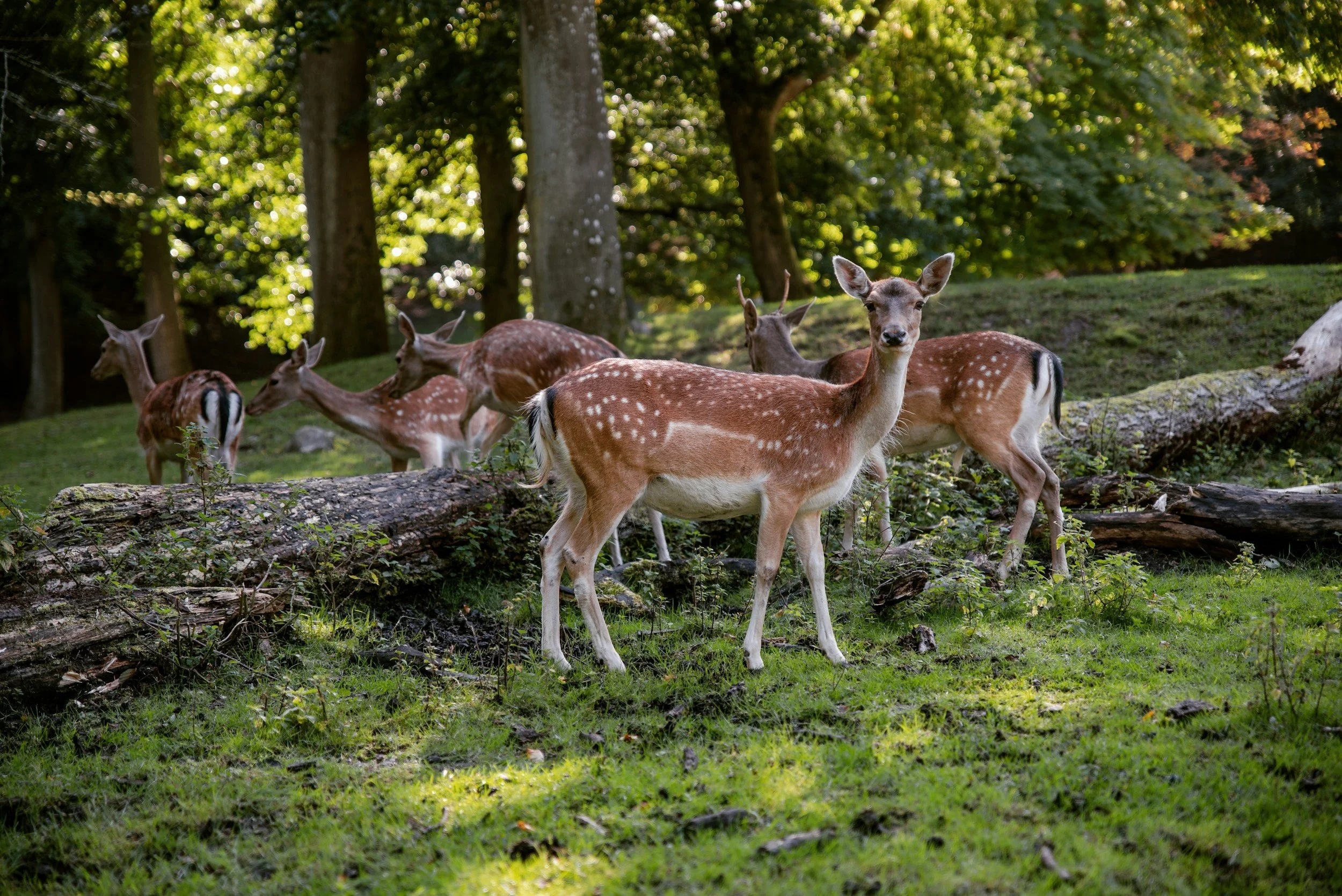
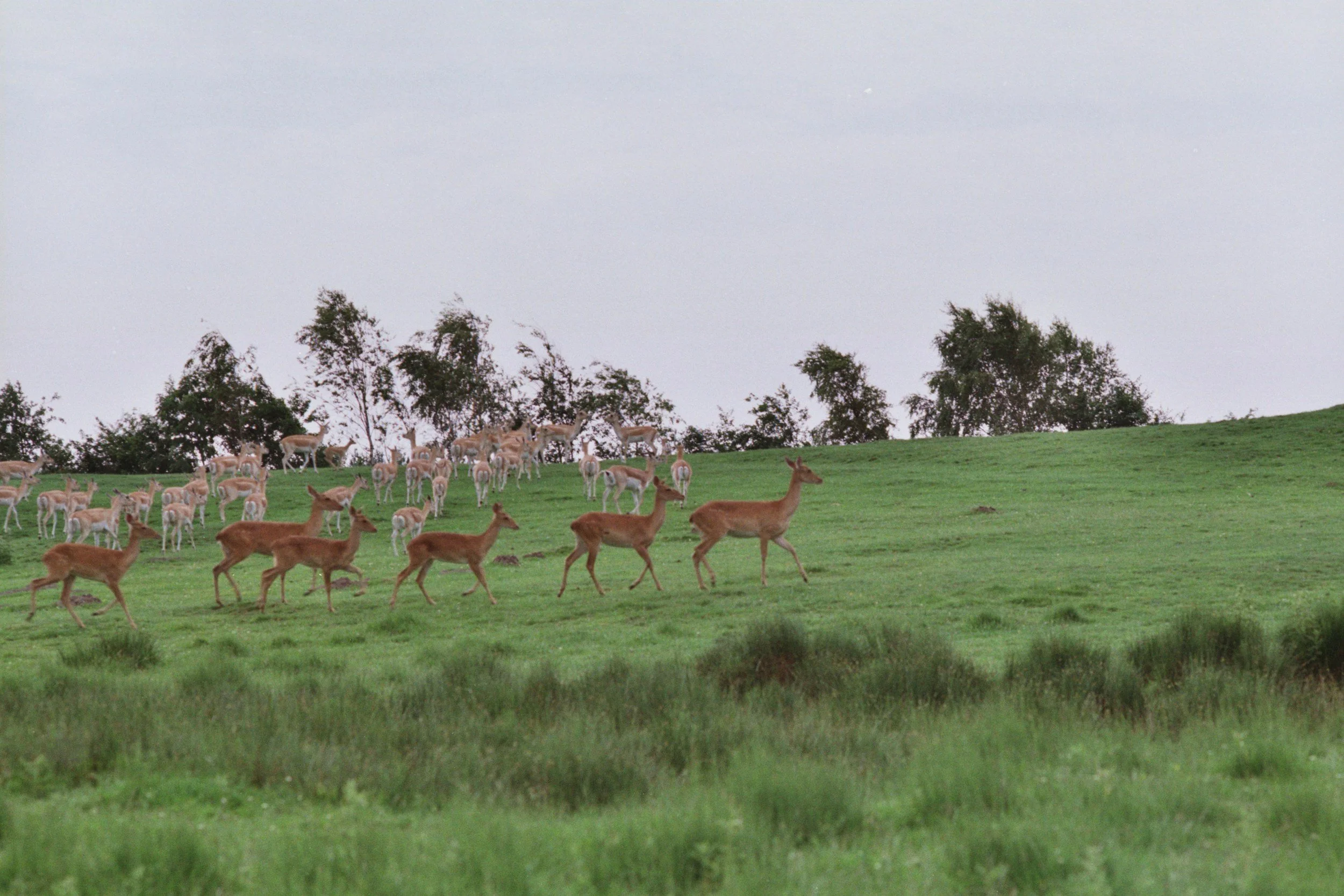
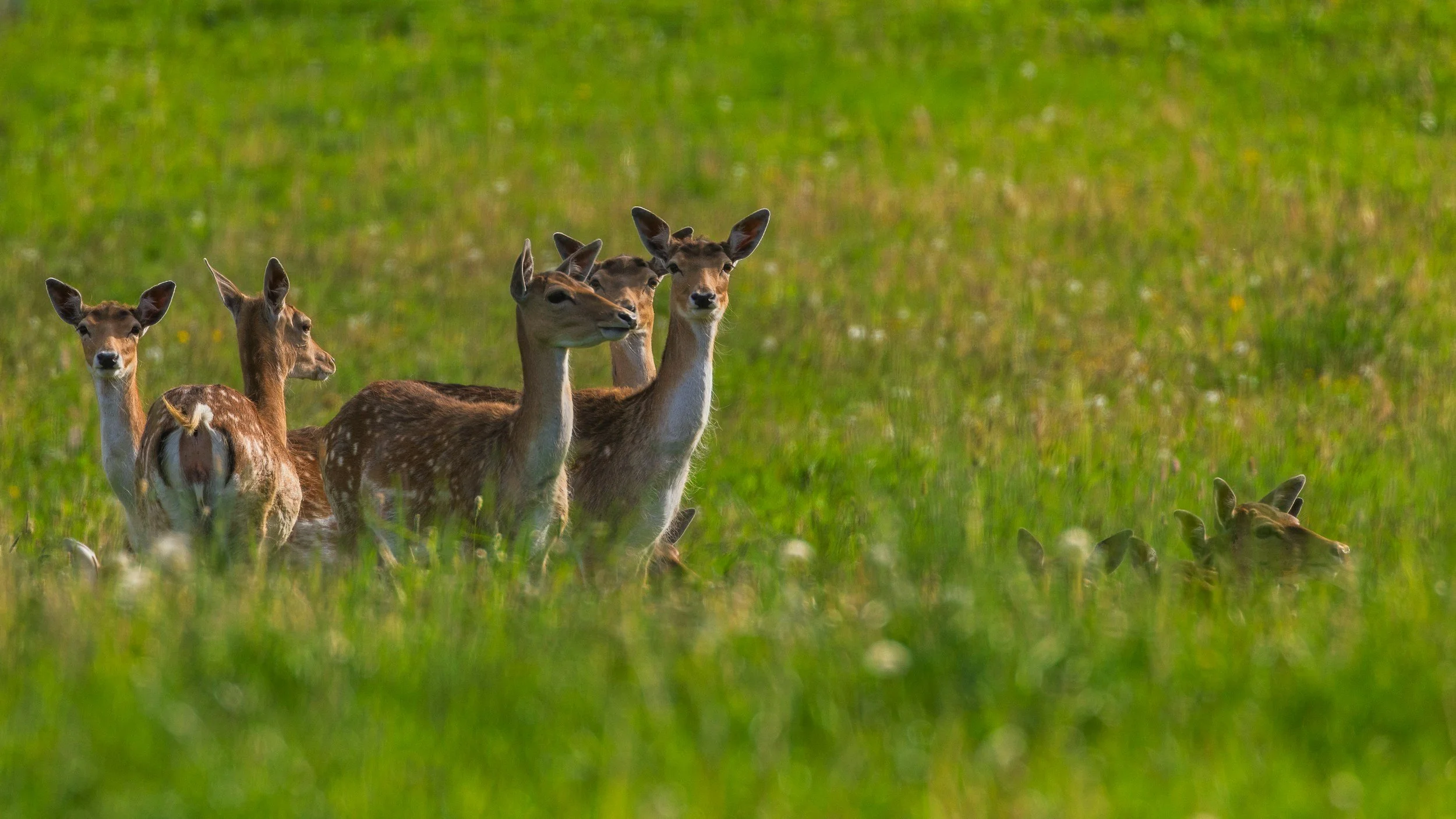
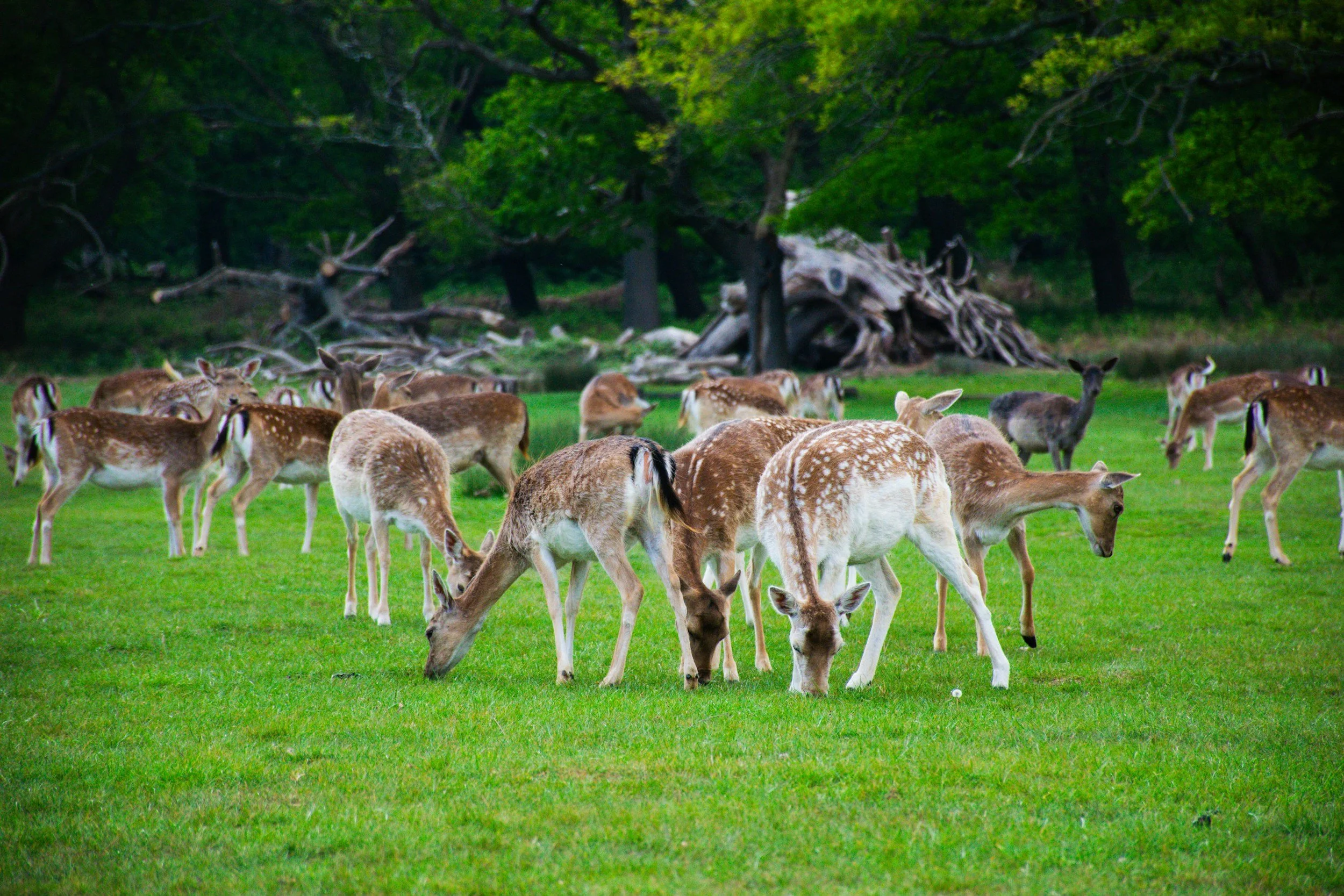
The pictures below capture predominantly fallow deer, with several red deer appearing in image two.
The Relationship Between Deer Density and Habitat Condition
One of the main reasons deer feature within Local Nature Recovery Strategies is the close relationship between deer density and habitat condition.
When deer populations remain in balance with the available habitat, woodlands and other natural environments can regenerate successfully. However, where deer densities exceed the land's ecological carrying capacity, browsing pressure increases and habitats begin to deteriorate.
Excessive deer activity can result in:
Poor natural woodland regeneration
Damage to newly planted trees
Loss of woodland understorey
Reduced wildflower diversity
Declining insect populations
Fewer nesting opportunities for woodland birds
Reduced habitat quality for small mammals
Slower recovery of restored habitats
These impacts can prevent many of the environmental objectives identified within an LNRS from being achieved, particularly where woodland expansion and biodiversity recovery are priorities.
Why Some LNRS Areas Prioritise Deer Management
Not every Local Nature Recovery Strategy identifies deer as a major issue. The importance of deer management depends on local habitat types, woodland cover, existing deer populations and conservation objectives.
Areas containing ancient woodland, new woodland creation schemes, priority habitats or landscape-scale restoration projects are often more vulnerable to browsing damage.
In these locations, responsible deer management helps to:
Protect woodland regeneration
Support native tree establishment
Improve habitat connectivity
Enhance biodiversity
Increase carbon sequestration
Strengthen ecosystem resilience
Deliver long-term nature recovery targets
By maintaining sustainable deer populations, land managers can improve the likelihood that restoration projects will succeed while ensuring deer remain an important part of the local ecosystem.
Assessing Deer Impact on Habitats
Before any management decisions are made, it is important to understand how deer are affecting a site. This is where Deer Impact Assessments (DIAs) play a vital role.
Rather than focusing solely on the number of deer present, a Deer Impact Assessment evaluates the condition of habitats and measures the extent to which deer are influencing vegetation, woodland regeneration and biodiversity.
A typical assessment may include:
Woodland regeneration surveys
Browsing pressure assessments
Sapling survival monitoring
Ground flora assessments
Woodland understorey condition surveys
Evidence of bark stripping or antler damage
Deer activity surveys
Habitat condition assessments
Vegetation comparisons using fenced exclosures
This evidence-led approach enables landowners, ecologists and conservation organisations to determine whether deer populations are compatible with the objectives of the Local Nature Recovery Strategy.
How Deer Impact Assessments Support LNRS Objectives
The purpose of a Deer Impact Assessment is to provide reliable data that informs effective land management.
The findings can help identify where browsing pressure is preventing habitat recovery and where management actions are most likely to deliver positive environmental outcomes.
Assessments can support:
Woodland creation projects
Ancient woodland restoration
Natural regeneration schemes
Biodiversity Net Gain (BNG) objectives
Habitat connectivity initiatives
Environmental stewardship programmes
Long-term monitoring of nature recovery
Using evidence rather than assumptions allows management decisions to be proportionate, targeted and ecologically effective.
Developing an Effective Deer Management Plan
Where Deer Impact Assessments indicate that browsing pressure is limiting habitat recovery, the next step is to develop a Deer Management Plan.
An effective management plan provides a structured approach for balancing conservation objectives with sustainable deer populations. Rather than focusing solely on population reduction, it establishes clear goals, monitoring procedures and management actions that support long-term habitat recovery.
A comprehensive Deer Management Plan should include:
Current deer species and distribution
Estimated population trends
Habitat and conservation objectives
Results of Deer Impact Assessments
Priority areas for habitat protection
Monitoring schedules
Recommended management measures
Collaboration with neighbouring landowners and organisations
Because deer move freely across landscapes, coordinated management between estates, farmers, forestry managers and conservation bodies often delivers the best environmental outcomes.
Monitoring for Long-Term Nature Recovery
Successful deer management is not a one-off exercise. Deer populations, habitats and environmental conditions change over time, making regular monitoring essential.
Repeating Deer Impact Assessments allows land managers to measure woodland recovery, assess the effectiveness of management actions and adapt strategies where necessary. This process of adaptive management ensures that conservation decisions remain evidence-based and continue to support the objectives of Local Nature Recovery Strategies.
Ultimately, integrating deer density monitoring, habitat condition assessments, Deer Impact Assessments and Deer Management Plans into LNRS delivery helps create healthier woodlands, more resilient ecosystems and landscapes where biodiversity can flourish alongside sustainable deer populations.
Frequently Asked Questions
Why are deer considered a priority within some LNRS areas?
Deer are considered a priority where high populations are affecting woodland regeneration, biodiversity and habitat restoration. Excessive browsing can prevent trees and shrubs from establishing, reducing the success of Local Nature Recovery Strategy (LNRS) projects.
What is a Deer Impact Assessment?
A Deer Impact Assessment is an evidence-based survey that evaluates how deer are affecting habitats, woodland regeneration and biodiversity. It helps landowners and conservation managers determine whether deer populations are compatible with nature recovery objectives.
How does deer density affect habitat condition?
When deer populations become too high, browsing pressure can damage young trees, woodland understorey and native vegetation. This reduces habitat quality for birds, insects and small mammals and can slow habitat restoration projects.
Do all Local Nature Recovery Strategies require deer management?
No. Each LNRS is developed according to local environmental priorities. Deer management is generally considered where browsing pressure is preventing habitats from recovering or where woodland creation and biodiversity projects are being affected.
What is included in a Deer Management Plan?
A Deer Management Plan typically includes information on deer species, population trends, habitat objectives, Deer Impact Assessment findings, monitoring programmes and recommended management actions. The aim is to achieve sustainable deer populations while supporting healthy ecosystems.
How often should Deer Impact Assessments be carried out?
The frequency depends on the site's conservation objectives and the level of deer activity. Many woodland managers review habitat condition every few years to monitor changes and adapt management where necessary.
Can deer and habitat restoration coexist?
Yes. Deer are an important part of the UK's natural environment. The objective of deer management is not to remove deer but to maintain sustainable population levels that allow habitats to regenerate while supporting healthy deer populations.
Why is monitoring deer populations important?
Regular monitoring provides the evidence needed to assess habitat condition, measure the success of restoration projects and ensure management decisions remain effective as landscapes and deer populations change over time.