

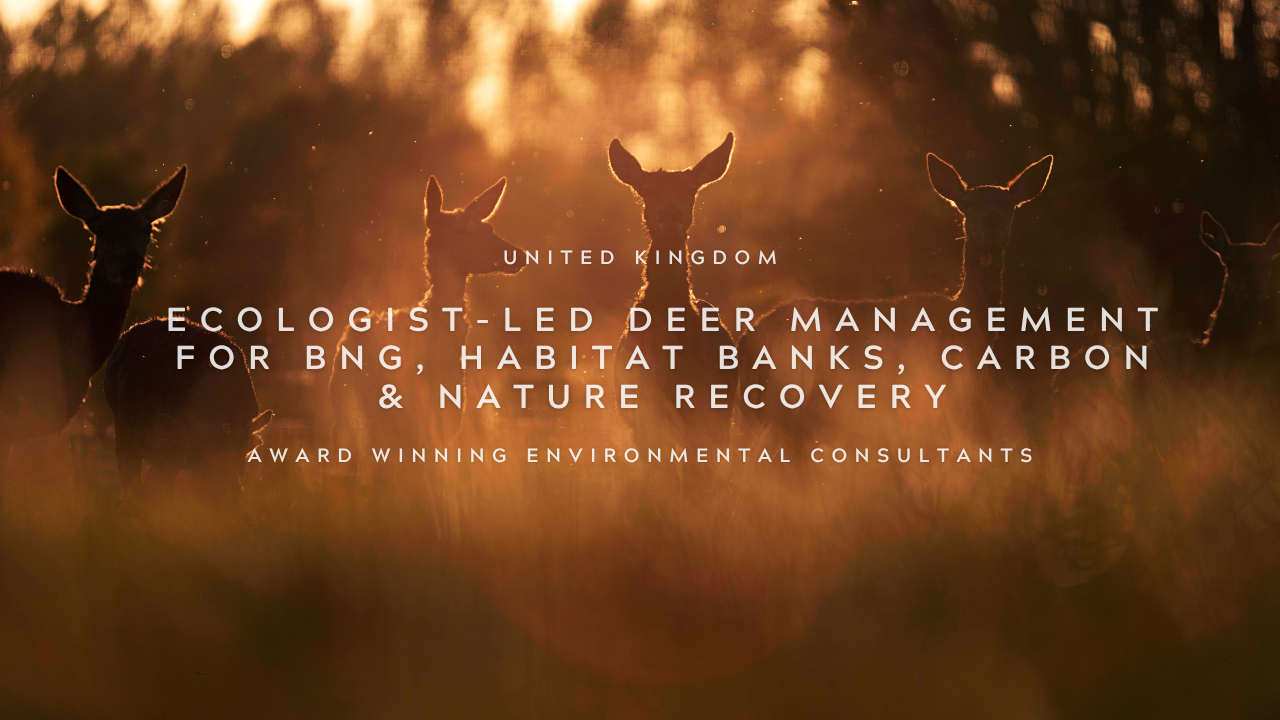
Ecologist-Led Deer Management for BNG, Habitat Banks, Carbon & Nature Recovery
Our Proven Process for BNG Success
Effective deer management is becoming increasingly important to the successful delivery of environmental projects.
From Biodiversity Net Gain (BNG) and habitat banks to woodland creation, carbon sequestration and emerging nature-credit markets, landowners, developers and environmental investors are making significant long-term investments in habitat creation and restoration.
However, these environmental outcomes depend on habitats being able to establish, recover and remain in good ecological condition.
Excessive deer browsing can threaten that investment.
At WILDFORCE LTD, our professional ecologist-led deer management programmes are designed around the ecological objectives of each site. We assess deer populations, browsing pressure and herbivore impacts before developing practical, evidence-based management strategies that support long-term habitat recovery and successful environmental outcomes.
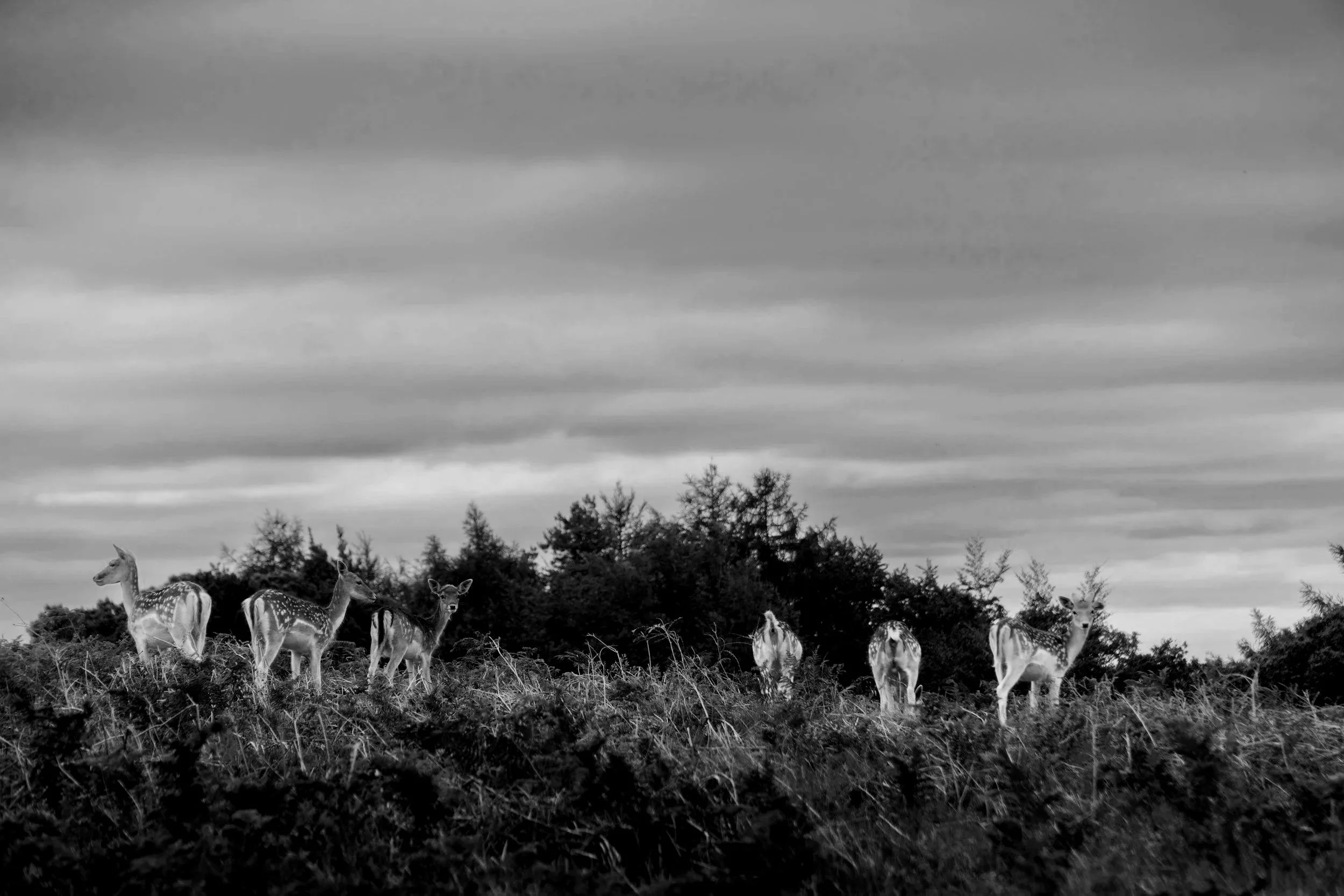
Herbivore Impact Assessments for Woodland Creation
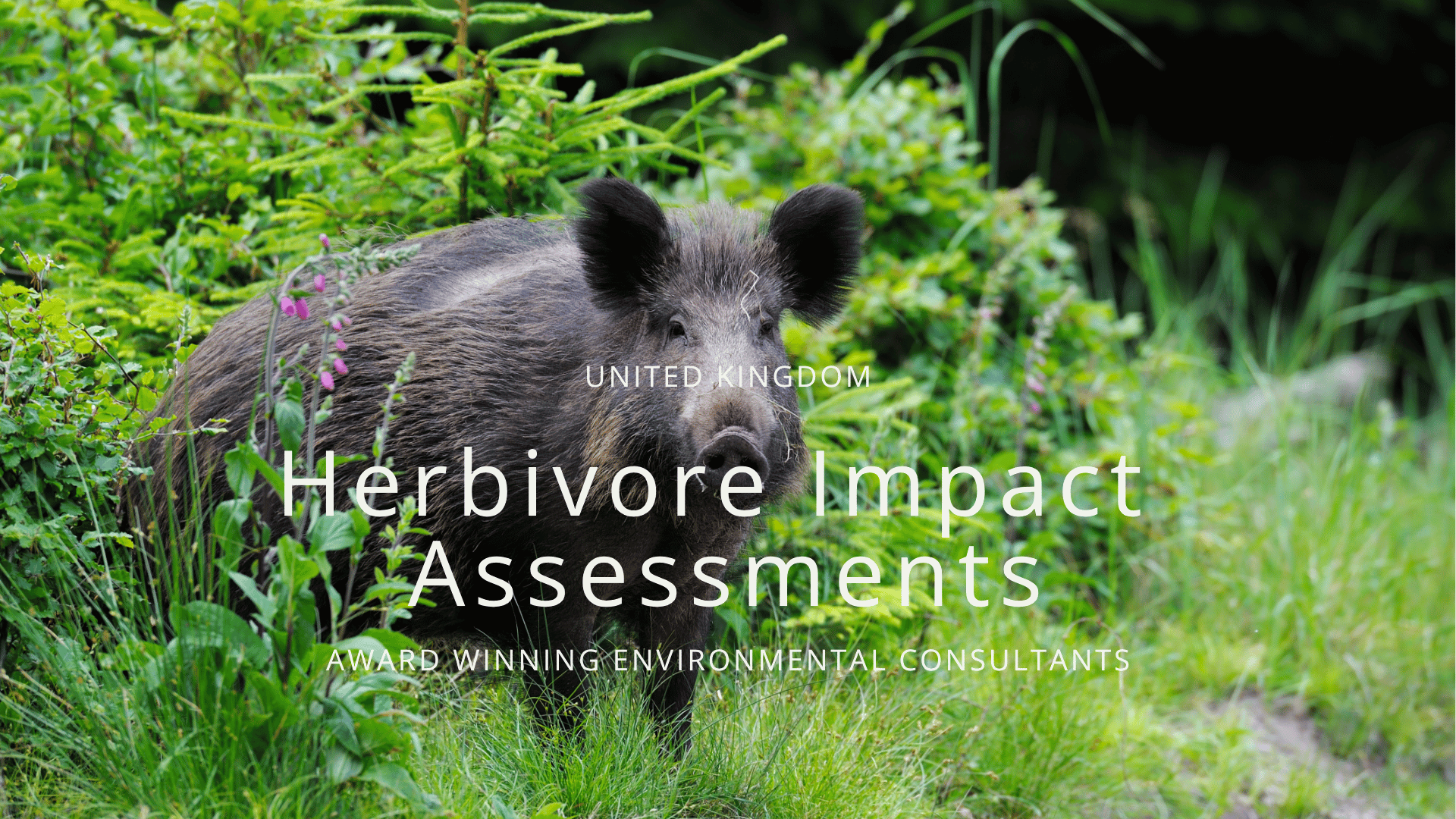
WILDFORCE LTD provides professional Herbivore Impact Assessments to evaluate the effects of deer, wild boar and grey squirrels on woodland, habitats and restoration projects. Using recognised survey methodologies and detailed field assessments, we identify browsing, grazing, rooting and bark damage, helping landowners, conservation organisations and environmental consultancies understand species impacts and make informed management decisions. Our assessments support woodland creation, natural regeneration, Biodiversity Net Gain (BNG) projects and wider habitat restoration objectives.
SUPPORTING BIODIVERSITY NET GAIN (BNG)
BNG developments depend on the successful creation, enhancement and long-term management of habitats.
Whether biodiversity units are being delivered on-site or through an off-site habitat bank, excessive deer browsing can compromise habitat establishment and affect the ability of a site to achieve its intended ecological condition.
Our Deer Management Plans and Herbivore Impact Assessments can support BNG projects by helping to protect:
• Woodland and scrub establishment
• Natural regeneration
• Tree and shrub survival
• Ground flora recovery
• Habitat structural diversity
• Long-term habitat condition
By identifying and managing herbivore pressure early, WILDFORCE LTD helps reduce a significant ecological risk to long-term BNG delivery.
Why Deer Threaten BNG Compliance
Unmanaged deer populations are one of the leading causes of habitat failure on BNG sites. Browsing, bark-stripping, and trampling can prevent woodland regeneration, strip out understorey and ground flora, and damage newly planted trees before they have a chance to establish. Left unchecked, this damage can directly reduce the biodiversity units a site is expected to deliver — putting compliance, funding, and long-term ecological outcomes at risk. Because BNG habitats must be monitored and maintained for a minimum of 30 years, deer pressure isn't a one-off risk; it's an ongoing management challenge that needs to be planned for from day one.

Integrating Ecologist-Led Deer Management into Your BNG Plan
Strategic deer management isn't an optional extra to a BNG scheme — it's often a core part of delivering it successfully. By assessing deer populations and their likely impact on a site before development begins, landowners and developers can build realistic, evidence-based protection into their Habitat Management and Monitoring Plan (HMMP) from the outset. This reduces the risk of habitat setbacks, re-planting costs, and shortfalls in biodiversity units further down the line.
Our Approach: Ecologist-Led, Not Trophy-Led
WILDFORCE LTD does not offer trophy hunting or guided stalking. Every deer management programme we deliver is planned and carried out by qualified ecologists and conservationists, using evidence-based, humane methods focused entirely on ecological outcomes. Our work is about restoring balance — between deer populations, habitat recovery, and the long-term goals of your BNG scheme — not sport. This means every assessment, plan, and intervention we carry out is judged against one standard: does it protect and improve the habitat your BNG obligations depend on.
HABITAT BANKS & ENVIRONMENTAL LAND
Habitat banks represent a significant long-term investment in nature recovery.
The value of biodiversity units and environmental land ultimately depends on successful ecological delivery. If excessive deer browsing prevents woodland, scrub or other habitats from establishing as intended, the environmental and financial objectives of the project may be placed at risk.
Our ecologist-led approach integrates deer management with wider habitat objectives, helping landowners, developers and habitat-bank operators protect their investment and maintain progress towards their ecological targets.
By managing deer populations in relation to habitat condition and ecological objectives, we help create the conditions needed for habitats to establish, recover and deliver long-term biodiversity benefits.
Partner with Us for Your BNG Journey
As BNG becomes a critical component of development in England, ensuring every aspect contributes positively to biodiversity is paramount. Our specialized deer management services provide a robust solution to protect your investment in nature and deliver tangible ecological improvements.
Whether you're a developer, ecological consultant, or land manager, let us help you navigate the complexities of deer impact within the BNG framework.
CARBON SEQUESTRATION & WOODLAND CREATION
Woodland creation and natural regeneration can provide significant long-term environmental benefits, including increased carbon storage.
However, these benefits depend on trees successfully establishing and developing into resilient habitats.
High deer populations can suppress regeneration, damage young trees and prevent the development of diverse woodland structures.
Professional deer management can help protect the conditions required for successful:
• Tree establishment
• Natural regeneration
• Native woodland recovery
• Shrub and understorey development
• Long-term woodland resilience
• Carbon sequestration potential
By reducing excessive browsing pressure, our ecologist-led management programmes help protect the ecological foundations required for woodland and habitat restoration projects to achieve their long-term objectives.
NATURE CREDITS & EMERGING ENVIRONMENTAL MARKETS
Environmental markets are evolving, creating new opportunities for landowners and organisations to invest in measurable nature recovery.
Whether a project is focused on Biodiversity Net Gain, biodiversity units, carbon sequestration, habitat creation or future nature-credit opportunities, successful outcomes depend on habitats delivering what they were designed to deliver.
Deer do not recognise site boundaries, habitat-bank agreements or environmental investments.
Without appropriate management, excessive browsing pressure can continue to affect habitat development for years or even decades.
WILDFORCE LTD helps identify and manage this risk through professional, evidence-based deer and herbivore management.
Our services can provide an important part of the wider ecological management strategy protecting environmental projects and supporting the delivery of measurable long-term outcomes.
PROTECTING ENVIRONMENTAL INVESTMENT THROUGH ECOLOGIST-LED DEER MANAGEMENT
Our work is not simply about reducing deer numbers.
We manage deer populations in relation to:
• Habitat condition
• Browsing pressure
• Ecological objectives
• Woodland regeneration
• BNG targets
• Habitat-bank delivery
• Carbon and natural-capital objectives
• Long-term nature recovery
This allows us to develop site-specific management programmes designed to protect habitats and give environmental projects the best possible opportunity to succeed.
When land is being invested in for Biodiversity Net Gain, habitat creation, carbon sequestration or nature recovery, deer management should not be an afterthought. It should form part of the ecological strategy protecting the investment from day one.
PROTECT YOUR ENVIRONMENTAL INVESTMENT
Whether you are delivering a BNG scheme, developing a habitat bank, creating woodland for carbon sequestration or investing in long-term nature recovery, WILDFORCE LTD can help assess and manage the risks posed by deer and other herbivores.
Our professional, ecologist-led approach combines Deer Management Plans, Herbivore Impact Assessments, habitat monitoring and practical deer management to support stronger, more resilient environmental outcomes.
Professional Deer Management. Protected Habitats. Stronger Environmental Outcomes.


BNG RELATED FAQs
Do deer really affect Biodiversity Net Gain outcomes?
Yes. Overabundant deer populations are one of the most common reasons woodland and habitat creation schemes fail to reach favourable ecological condition, directly affecting the biodiversity units a site can deliver.
Is deer management required as part of a BNG plan?
It isn't automatically mandated by legislation, but where deer presence poses a credible risk to habitat establishment, it's considered essential good practice and is often expected within a site's Habitat Management and Monitoring Plan.
Do you offer trophy hunting or guided stalking?
No. All of our deer management is conducted by ecologists and conservationists, using ethical, evidence-based methods focused on long-term habitat and biodiversity outcomes — not sport.