Herbivore Impact Assessments for Woodland Creation
Successful woodland creation and habitat restoration projects depend on understanding the impacts of herbivores on vegetation, natural regeneration and long-term ecosystem recovery. WILDFORCE LTD provides professional Herbivore Impact Assessments across the South West and beyond, helping landowners, environmental consultancies, conservation organisations, estates and woodland managers assess the effects of deer, rabbits and other herbivorous species on habitats. Through detailed field surveys, woodland browsing assessments and evidence-based reporting, we identify herbivore pressure, evaluate risks to conservation objectives and provide practical management recommendations. Whether supporting woodland creation schemes, natural regeneration projects, Biodiversity Net Gain (BNG) sites, deer management plans or habitat monitoring programmes, our assessments provide the data needed to make informed land management decisions and achieve successful ecological outcomes.
Impact Assessment Guide
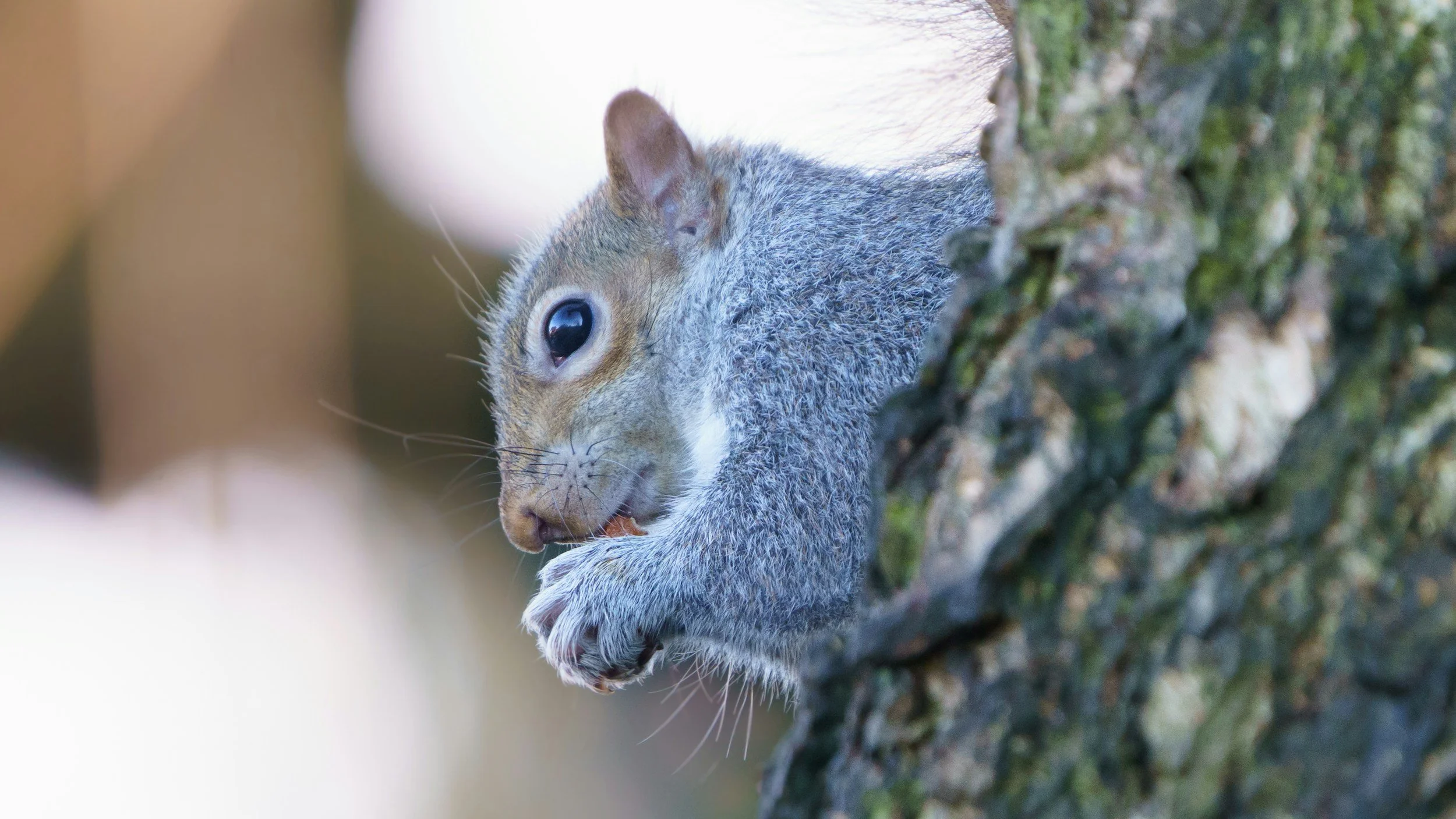
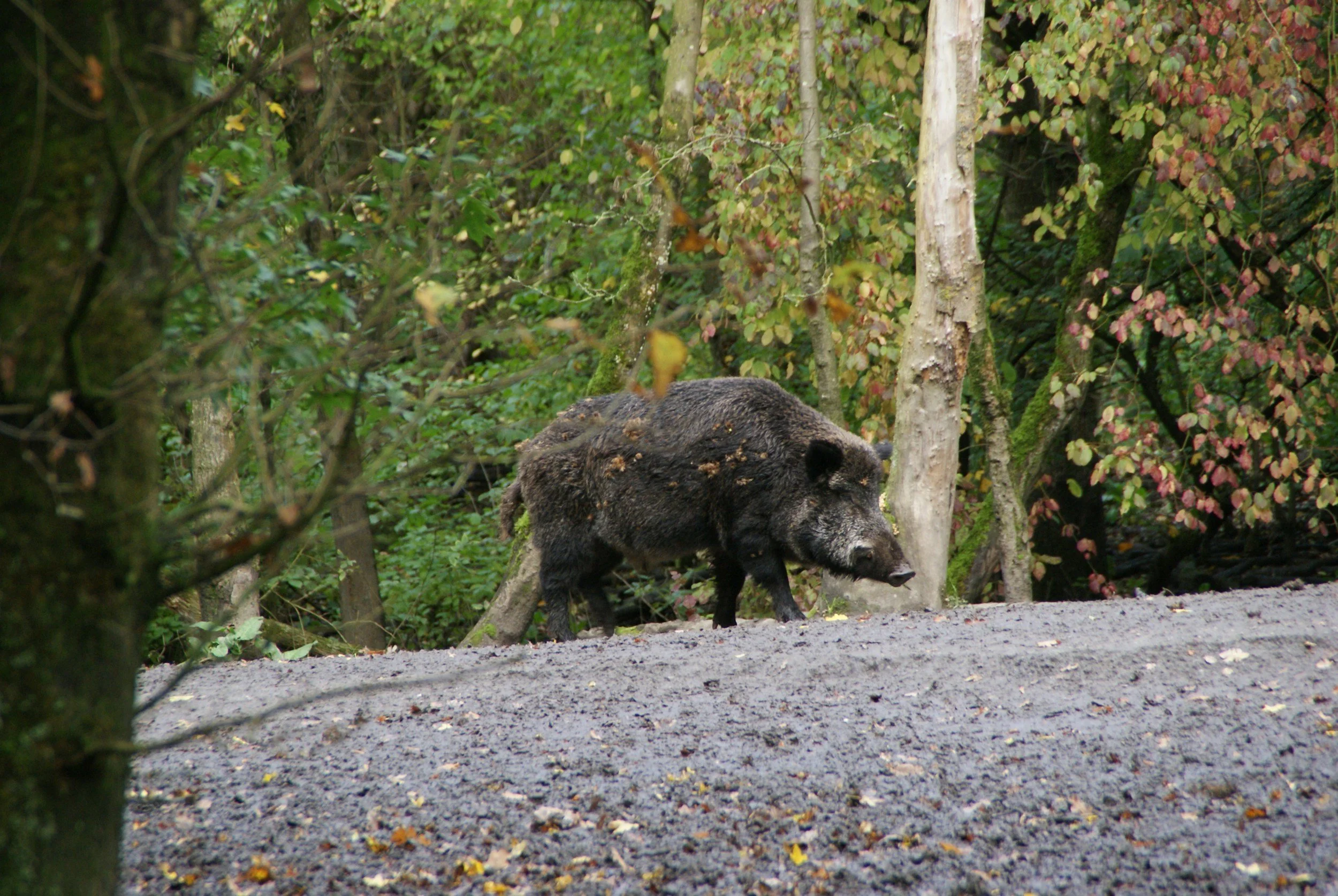
WILDFORCE LTD provides professional Herbivore Impact Assessments to evaluate the effects of deer, wild boar and grey squirrels on woodland, habitats and restoration projects. Using recognised survey methodologies and detailed field assessments, we identify browsing, grazing, rooting and bark damage, helping landowners, conservation organisations and environmental consultancies understand species impacts and make informed management decisions. Our assessments support woodland creation, natural regeneration, Biodiversity Net Gain (BNG) projects and wider habitat restoration objectives.
Contact us
What is a Herbivore Impact Assessment?
A Herbivore Impact Assessment is a structured ecological survey that evaluates how browsing, grazing, rooting and bark-stripping species are affecting a site's habitats, vegetation and conservation objectives. At WILDFORCE LTD, our assessments focus on the impacts of deer, wild boar and grey squirrels, identifying how these species influence woodland regeneration, habitat condition, species diversity and long-term ecosystem resilience. The findings provide landowners, environmental consultancies, conservation organisations and woodland managers with the evidence needed to support habitat restoration, woodland creation, Biodiversity Net Gain (BNG) projects and sustainable land management decisions.
Definition & Purpose of a Herbivore Impact Assessment
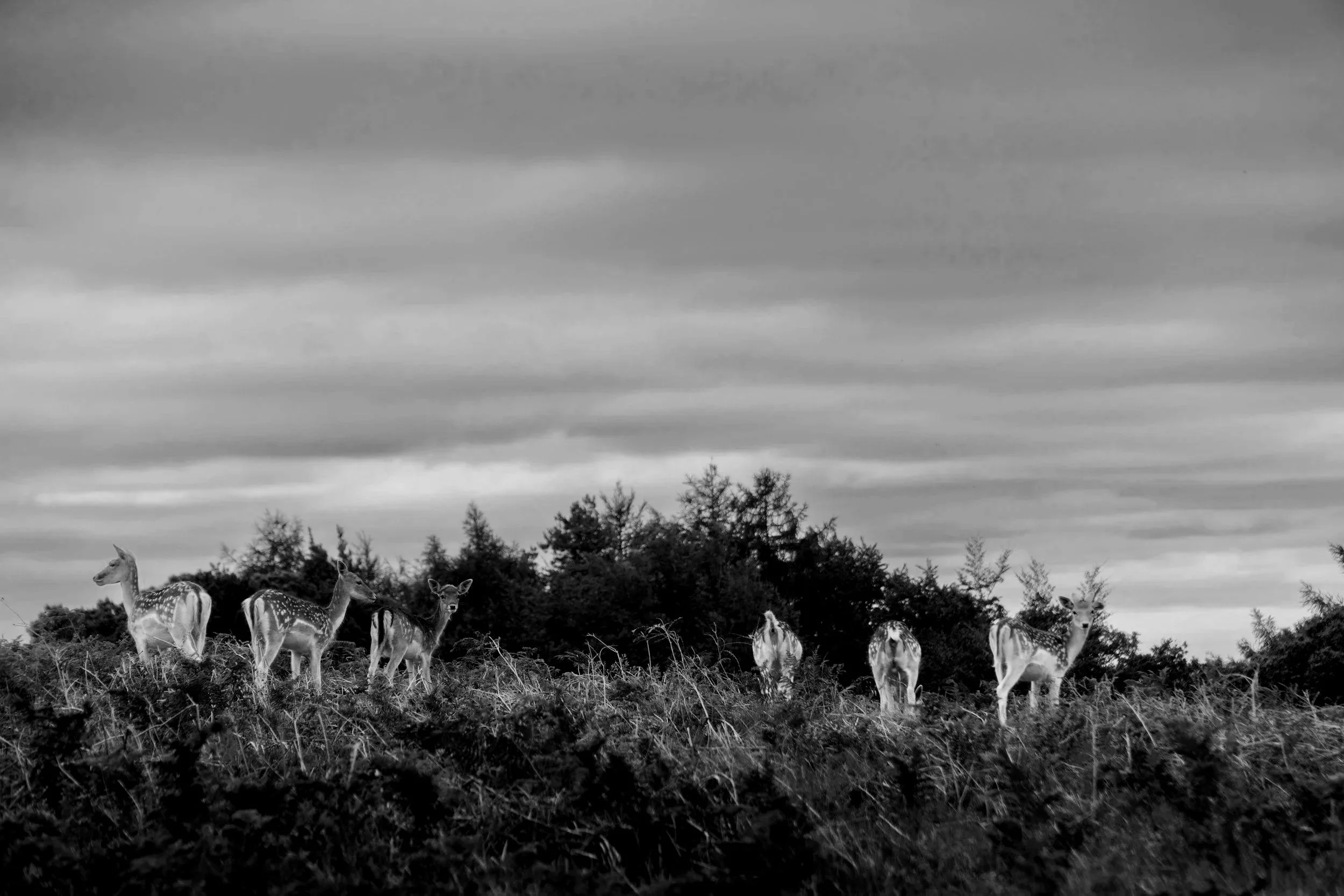
A Herbivore Impact Assessment is an ecological survey used to determine how grazing and browsing animals are affecting woodland, habitats and habitat restoration outcomes. Unlike single-species surveys, it considers the combined influence of deer, wild boar and grey squirrels on vegetation structure, tree regeneration and long-term habitat condition.
The purpose of the assessment is to provide clear, evidence-based insight into whether herbivore pressure is compatible with site objectives such as woodland creation, natural regeneration, Biodiversity Net Gain (BNG) delivery and wider conservation targets. By identifying and quantifying browsing, grazing, rooting and bark damage, the assessment highlights where herbivore activity is limiting ecological recovery and where management intervention may be required.
This enables landowners, environmental consultancies and conservation organisations to move from assumption-based management to measurable, defensible decision-making supported by field evidence.
READ MORE