

PA7 Species Management Plan Grant
Effective wildlife management starts with understanding the problem.
For landowners dealing with deer, grey squirrels or other problematic species, a clear species management plan can provide the foundation for a structured, evidence-based approach to protecting woodland, habitats, forestry and agricultural interests.
The PA7 Species Management Plan is a Countryside Stewardship Capital Grant designed to support eligible landowners with the preparation of a professional species management plan.
For woodland owners, PA7 is particularly relevant to deer — both native and non-native — and grey squirrels.
At WILDFORCE LTD, we provide professional deer and grey squirrel management services to help landowners understand wildlife impacts, develop practical management strategies and implement effective long-term control programmes.
Contact us
What Is the PA7 Species Management Plan?
PA7: Species Management Plan is a Countryside Stewardship Capital Grant that provides funding towards preparing a management plan for species that need to be controlled or managed on eligible land.
The current grant payment is £204.79 per species type per approved plan, up to a maximum of £1,023.95 per approved plan.
Deer, including native and non-native deer, are treated as one species type, while grey squirrel is another.
The purpose of PA7 is not to fund all ongoing control work. Instead, it helps fund the preparation of a management plan that establishes:
Which species requires management
What impact the species is having
Where management will take place
Which control methods are appropriate
What resources will be required
What the long-term management objectives are
This provides landowners with a structured basis for managing wildlife impacts rather than relying on short-term or reactive control.
Which Species Can PA7 Cover?
PA7 can be used to prepare management plans for a number of species and species groups, including:
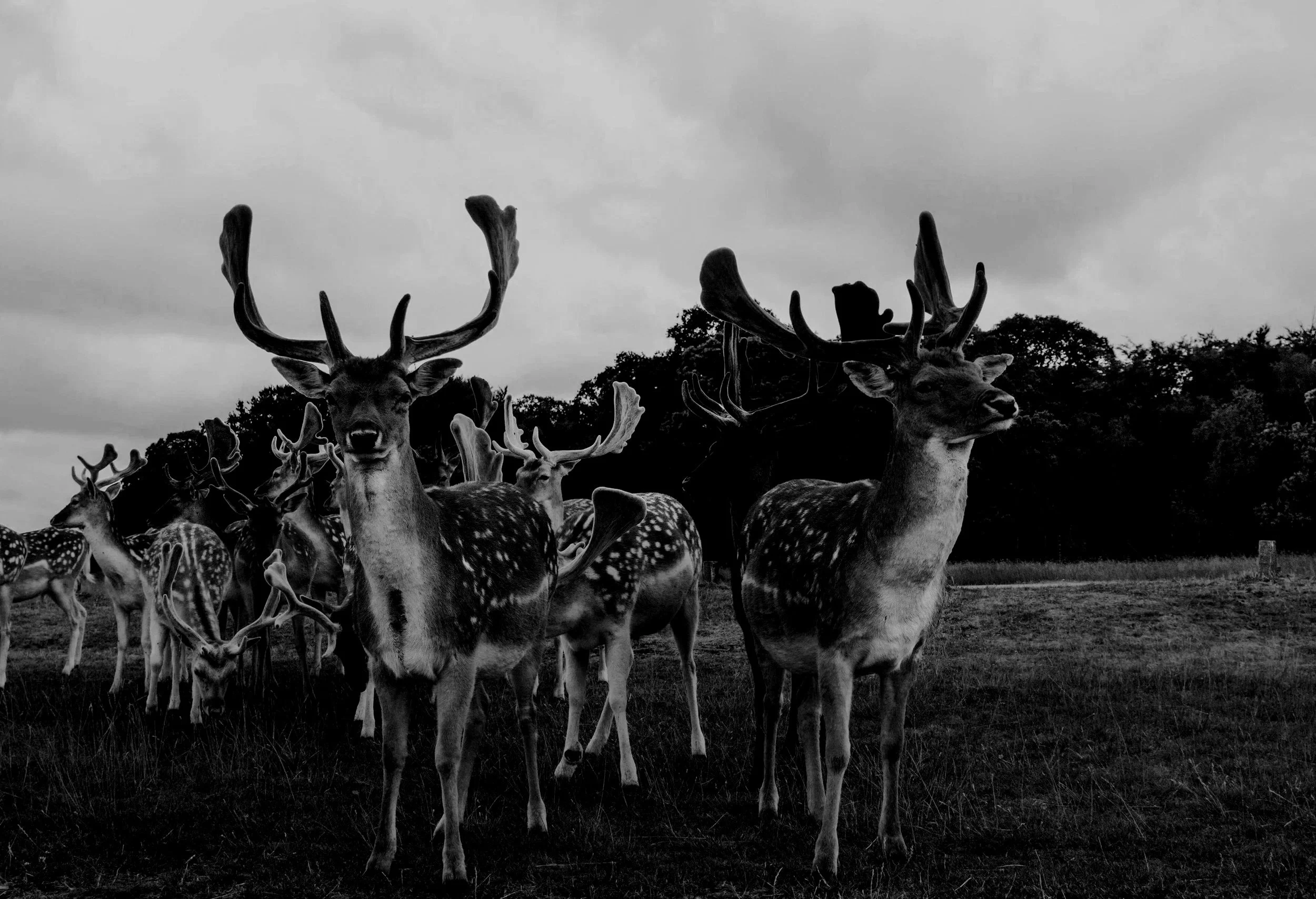
Deer — native and non-native
Grey squirrel
American mink
Edible dormouse
Invasive non-native plant species
PA7 Deer Management Plans
Deer can have a significant impact on woodland condition, forestry, agriculture, biodiversity and natural regeneration.
Depending on the location, landowners may encounter species including:
Sika deer
Fallow deer
Roe deer
Red deer
Muntjac
Chinese water deer
Where deer numbers or browsing pressure are preventing woodland or habitat objectives from being achieved, a structured management plan can help establish a long-term approach.
A PA7 deer species management plan should consider the impact deer are having on the land, identify the areas and habitats where management will take place, and set out the proposed control methods and resources required.
The objective is not simply to reduce deer numbers. Effective management should address the underlying impact of deer and establish a clear strategy for achieving the landowner's wider woodland or habitat objectives.
PA7 Grey Squirrel Management Plans
Grey squirrels can cause significant damage to broadleaf woodland, particularly through bark stripping.
This damage can:
Reduce timber quality
Affect tree health
Increase susceptibility to disease
Damage established trees
Interfere with woodland management objectives
A PA7 species management plan can provide the framework for managing grey squirrel populations where they are causing environmental or forestry damage.
Where the relevant eligibility requirements are met, the plan can then support longer-term management through CWS3: Grey Squirrel Control and Management.
For woodland owners, this can provide a more strategic approach to protecting valuable trees and improving long-term woodland condition.
How Much Does PA7 Pay?
The current PA7 payment is:
£204.79 per species type per approved plan
The maximum payment is:
£1,023.95 per approved plan
Deer are counted as one species type, even where several species of deer are present.
Grey squirrel is counted as another species type.
Grant rates and scheme requirements can change, so landowners should always check the latest official Countryside Stewardship guidance before making an application.
What Should a PA7 Species Management Plan Include?
A good species management plan needs to clearly explain the problem, the proposed management response and the resources required.
1. The Impact of the Species
The plan should identify the damage or environmental impact being caused.
For deer, this could include:
Excessive browsing
Suppressed natural regeneration
Damage to young trees
Habitat degradation
Agricultural damage
For grey squirrels, impacts may include:
Bark stripping
Tree damage
Reduced timber quality
Impacts on woodland regeneration
2. The Areas Being Managed
The plan should identify the areas and habitats where species management will take place.
This is important because wildlife impacts are rarely distributed evenly across an entire property.
Understanding where the greatest pressure occurs allows management resources to be directed where they are most needed.
3. Control Methods and Resources
The plan should explain the proposed management methods and the resources required to deliver them.
This creates a clear link between:
The problem → The impact → The management area → The control method → The resources → The desired outcome
This structured approach is far more robust than responding to individual incidents as they arise.
Who Approves a PA7 Species Management Plan?
For deer, grey squirrel and edible dormouse, completed PA7 plan templates are submitted to the Forestry Commission for approval.
For American mink, Natural England is responsible for approval.
Different arrangements apply to invasive non-native plant species depending on whether the work takes place in woodland or other habitats.
The approval process is therefore an important part of the overall PA7 strategy.
Need Help With Deer or Grey Squirrel Management?
If deer or grey squirrels are affecting your woodland, estate, farm or conservation land, WILDFORCE LTD can help you develop a practical approach to wildlife management.
From deer surveys and habitat impact assessments through to professional deer control and grey squirrel management, we provide wildlife management services tailored to individual sites and management objectives.
If you are considering PA7 Species Management Plan funding, get in touch with WILDFORCE LTD to discuss your requirements and how professional wildlife management could support your wider woodland or species management objectives.
Protect your woodland. Manage wildlife effectively. Plan for the long term.
Contact WILDFORCE LTD today to discuss your deer or grey squirrel management requirements.
READ MORE
Frequently Asked Questions
What is the PA7 Species Management Plan Grant?
PA7 is a Countryside Stewardship Capital Grant that provides funding towards the preparation of a species management plan for eligible species requiring control or management.
How much does PA7 pay?
The current payment is £204.79 per species type per approved plan, up to a maximum of £1,023.95 per approved plan.
Does PA7 cover deer?
Yes. PA7 covers deer, both native and non-native, which are counted as one species type.
Does PA7 cover grey squirrels?
Yes. Grey squirrel is one of the species specifically covered by the PA7 Species Management Plan item.
Can PA7 be used with CWS1?
Yes. The supplied guidance states that CWS1: Deer Control and Management can be used with PA7.
Can PA7 be used with CWS3?
Yes. CWS3: Grey Squirrel Control and Management is also listed as compatible with PA7, subject to the relevant eligibility requirements.
Can PA7 be used with a deer high seat grant?
Yes. The PA7 guidance lists FY1: Deer High Seat as a compatible capital item.
Who approves a deer or grey squirrel PA7 plan?
The Forestry Commission approves PA7 plan templates for deer, grey squirrel and edible dormouse.
Can I use PA7 if I already have a species management plan?
No. The supplied guidance states that PA7 cannot be used where you already have an existing plan detailing the management of the species.
Can WILDFORCE LTD help with species management?
Yes. WILDFORCE LTD provides professional deer and grey squirrel management, habitat assessments, monitoring and wildlife control services to help landowners implement effective, long-term management strategies.