When Nature Recovery Meets Deer Pressure: The Ecological Risk We Cannot Afford to Ignore
Britain is investing heavily in nature recovery.
From Biodiversity Net Gain (BNG) and habitat banks to woodland creation, carbon sequestration and emerging natural-capital markets, significant investment is now being directed towards restoring habitats and improving the condition of the countryside.
But there is a practical ecological question that is still too often overlooked:
What happens when the animals already living in the landscape prevent the habitats we are investing in from establishing and recovering?
For many projects, the answer is simple. Excessive herbivore pressure can undermine the very environmental outcomes the project was designed to deliver.
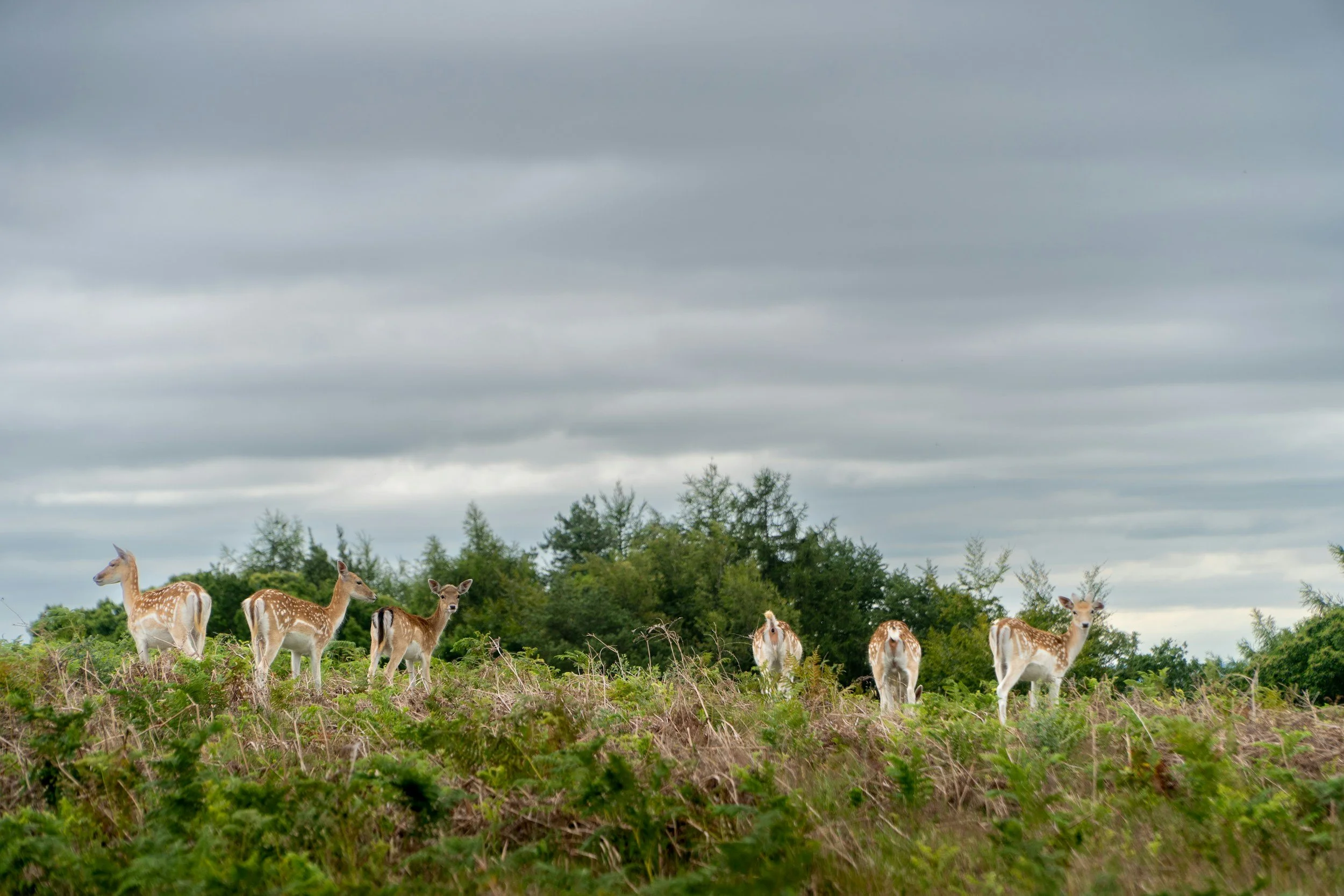
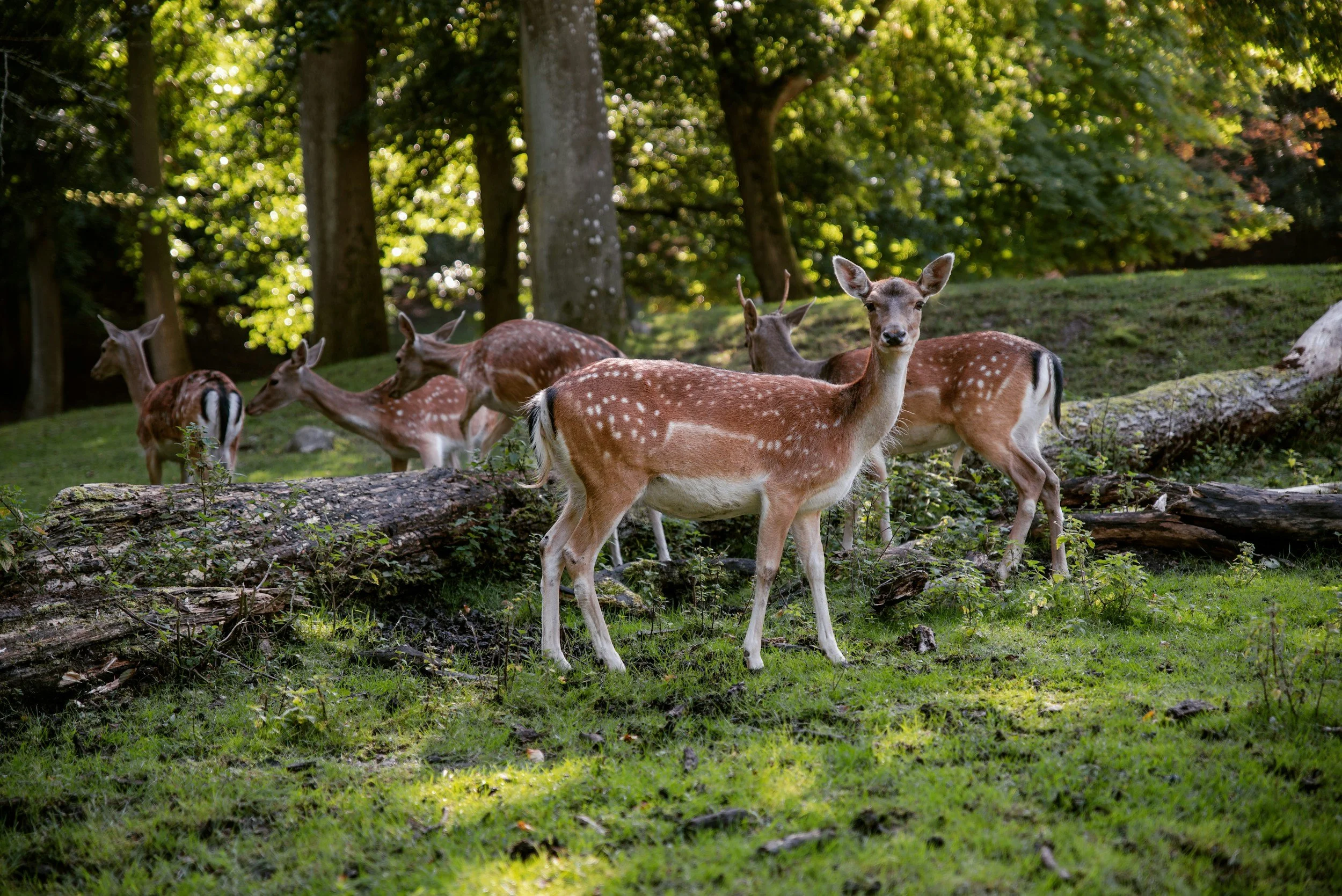
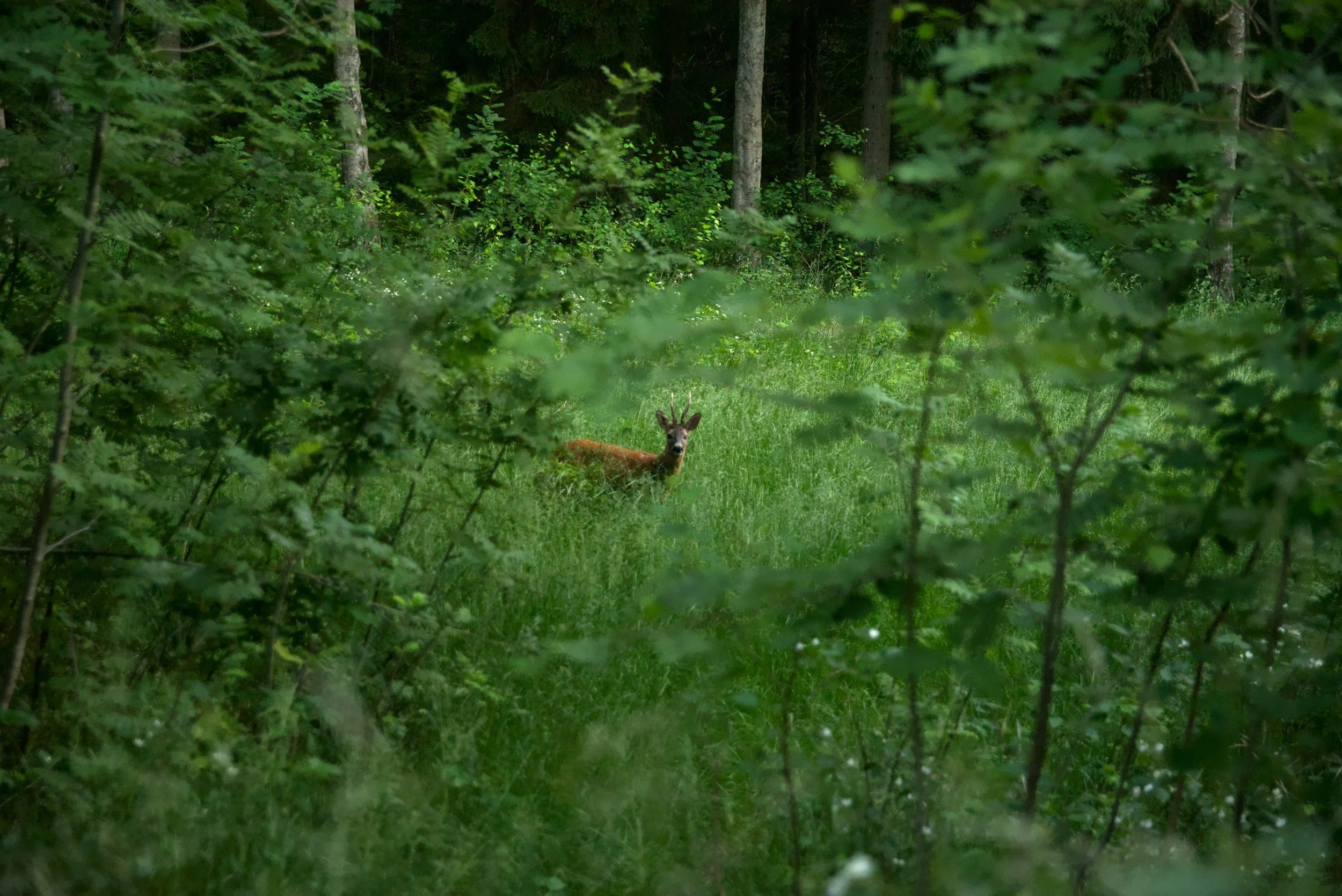
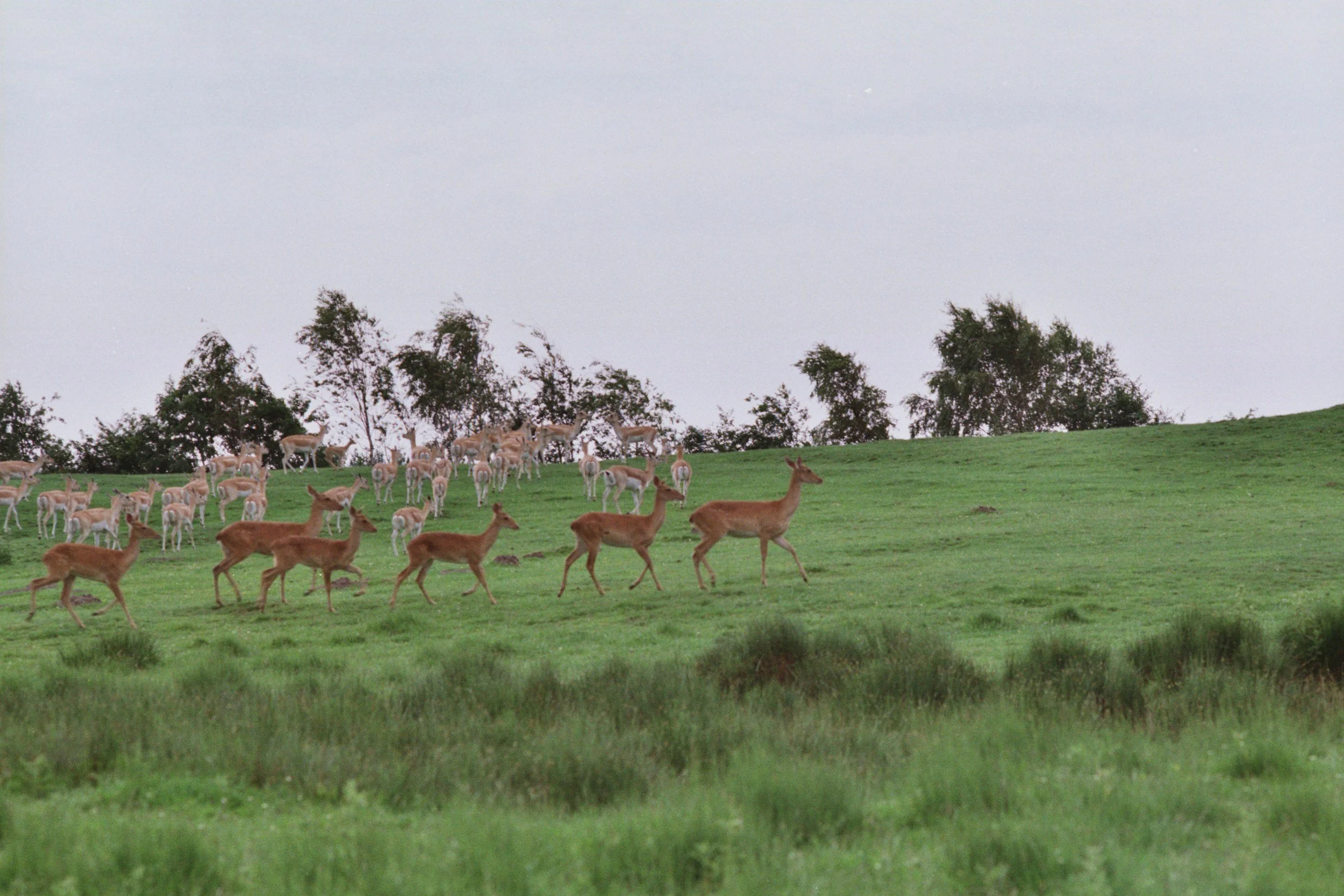
Deer are a natural and important part of Britain's landscapes. However, where populations exceed the capacity of habitats to support them, browsing pressure can suppress woodland regeneration, damage newly planted trees, prevent scrub development and reduce the structural diversity needed for healthy ecosystems.
For landowners, developers and environmental investors, this is not simply a wildlife-management issue. It is an ecological and financial risk.
Nature Recovery Cannot Be Delivered on Paper Alone
The success of a BNG scheme, habitat bank or woodland creation project ultimately depends on what happens on the ground.
Habitats must establish successfully. Trees must survive. Natural regeneration must develop. Understorey vegetation must recover. Ecological condition must improve over time.
A management plan may identify ambitious targets for woodland, scrub, species-rich grassland or other habitats, but those targets are only meaningful if the ecological conditions exist for them to develop.
This is where deer management becomes increasingly important.
Deer do not recognise habitat-bank boundaries, BNG agreements or long-term environmental investments. A site may have a carefully designed Habitat Management and Monitoring Plan, but persistent browsing pressure can continue to affect habitat development long after the initial planting or restoration work has been completed.
If young trees are repeatedly browsed, shrubs are prevented from developing and natural regeneration is suppressed, the landscape may never achieve the ecological structure originally intended.
The result can be a significant gap between the habitat promised and the habitat actually delivered.
Deer Pressure and Biodiversity Net Gain
BNG represents a long-term commitment to environmental delivery.
Habitats created or enhanced as part of a scheme must be managed and maintained over extended periods. This means the ecological risks facing a site cannot be treated as a one-off consideration during the initial establishment phase.
Deer pressure is an ongoing management challenge.
Browsing, bark damage and trampling can affect newly created habitats for years. In woodland and scrub habitats, excessive browsing can remove the next generation of trees and shrubs while leaving mature vegetation apparently intact. This can create a misleading impression that a habitat is healthy, even though its long-term ecological resilience is being compromised.
For BNG projects, the key question should therefore not simply be:
Are deer present?
It should be:
What impact are deer having on the ability of this habitat to achieve and maintain its intended ecological condition?
That distinction is critical.
At WILDFORCE LTD, our approach focuses on understanding herbivore pressure in relation to the objectives of the site. Through Herbivore Impact Assessments, Deer Management Plans, habitat monitoring and practical management, we help identify whether deer and other herbivores represent a significant risk to habitat delivery and what action may be required.
Habitat Banks Are Environmental Investments
Habitat banks represent a substantial long-term commitment to nature recovery.
Their value depends on ecological outcomes being successfully delivered over time. If habitats fail to establish or decline because important ecological pressures have not been properly managed, the consequences can extend beyond biodiversity.
There may be additional costs associated with replanting and habitat restoration. Ecological targets may become increasingly difficult to achieve. The value and reliability of environmental outcomes may also be affected.
This is why herbivore management should be considered as part of the wider ecological strategy from the beginning.
It is often far more effective to identify excessive browsing pressure during the planning and establishment stages than to wait until widespread damage has already occurred.
A site-specific assessment can provide the evidence needed to understand what is happening on the ground and develop proportionate management measures around the ecological objectives of the project.
The aim is not simply to reduce deer numbers.
The aim is to create the conditions in which habitats can recover.
Woodland Creation and Carbon Depend on Successful Establishment
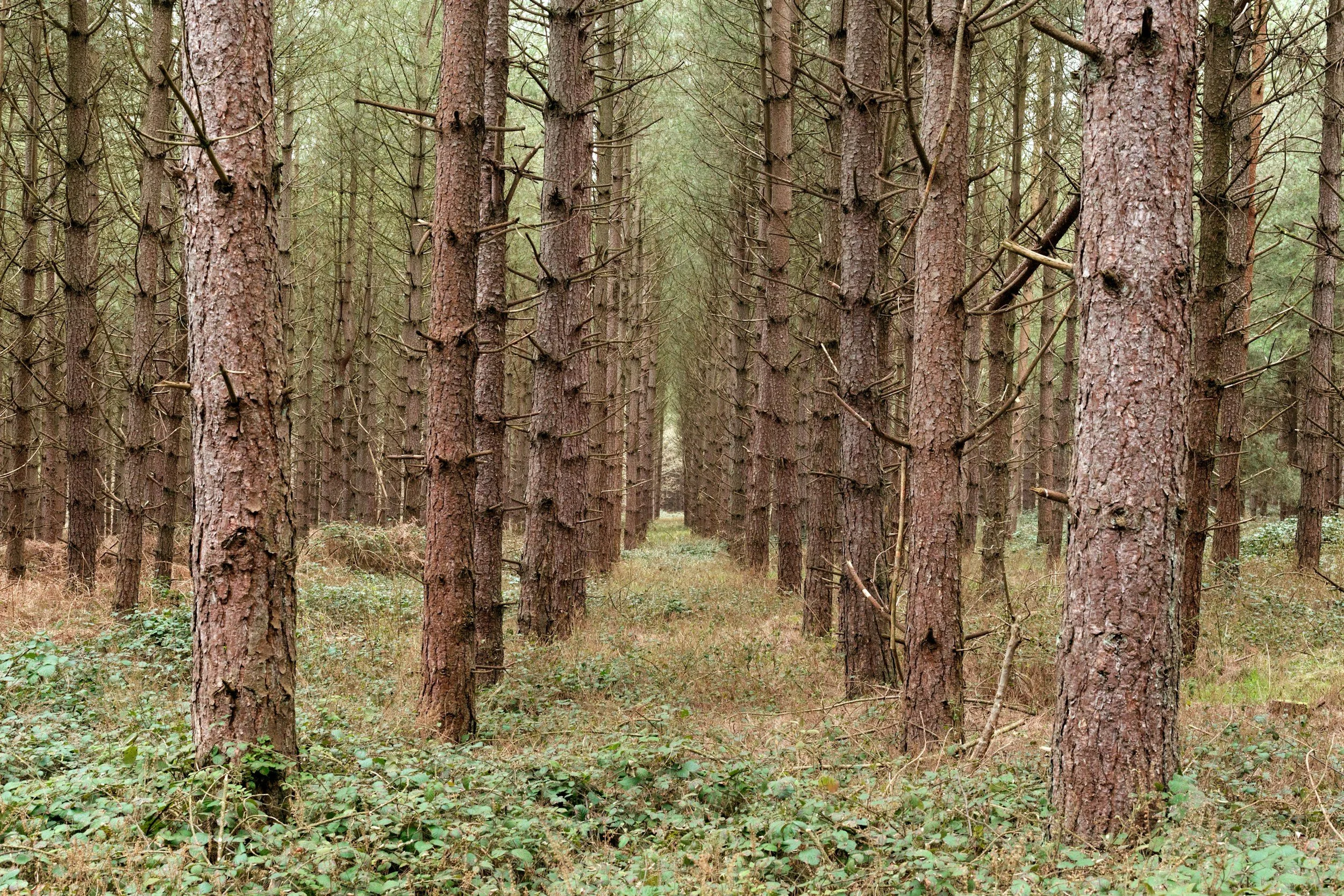
Woodland creation is increasingly important to Britain's environmental strategy.
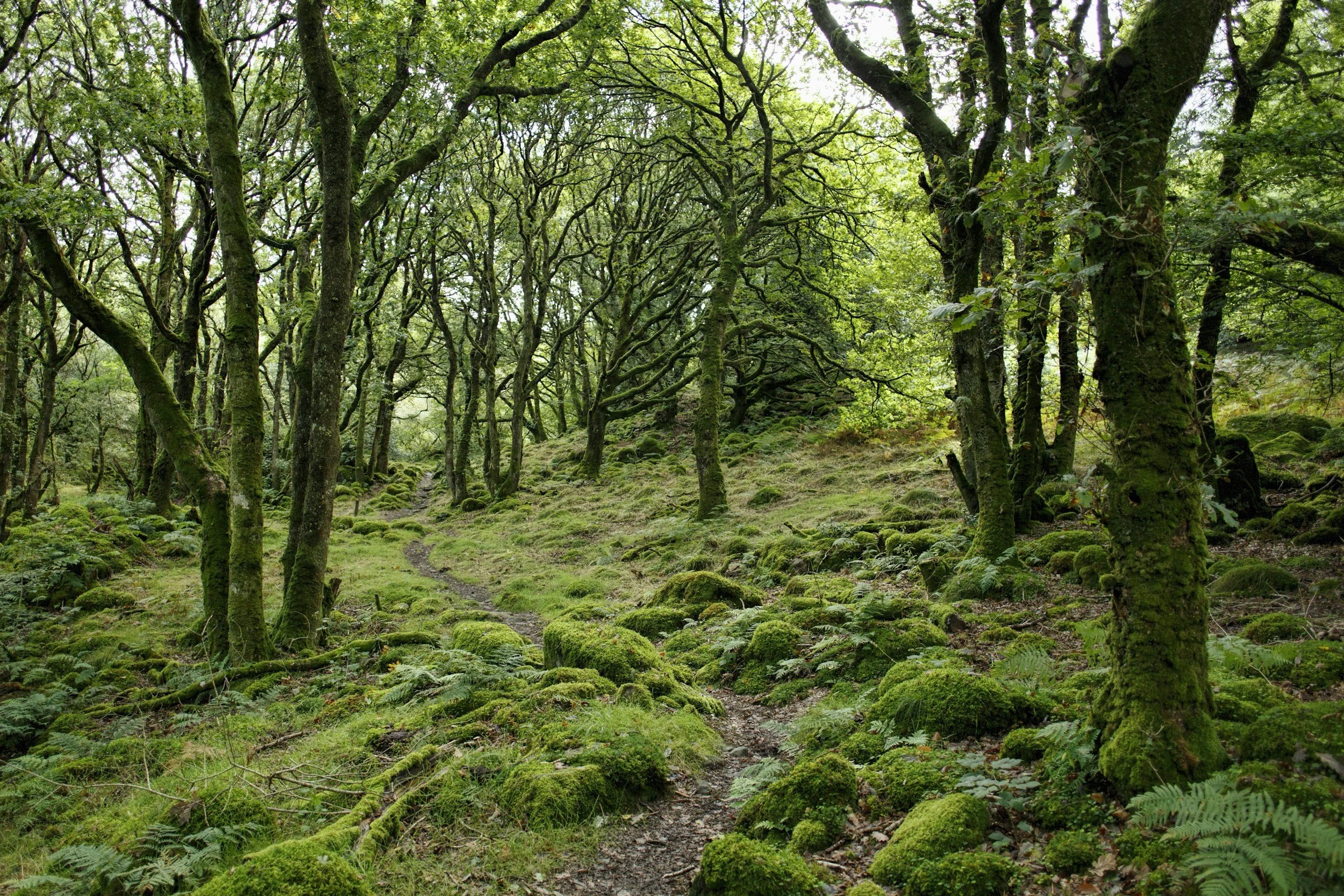
New woodlands and naturally regenerating landscapes can provide a range of benefits, including biodiversity recovery, improved resilience and long-term carbon storage.
However, none of these benefits are guaranteed simply because trees have been planted.
If young trees are repeatedly browsed or damaged, establishment can be delayed or prevented entirely. Where natural regeneration is heavily affected, the future structure of a woodland may be fundamentally altered.
The ecological consequences can include:
Reduced tree and shrub recruitment
Limited understorey development
Reduced structural diversity
Suppressed natural regeneration
Increased costs associated with protection and replanting
Reduced long-term woodland resilience
For projects linked to carbon sequestration or natural-capital objectives, successful habitat establishment is therefore fundamental.
You cannot deliver the environmental benefits of a mature, resilient woodland if the next generation of trees is being prevented from developing.
An Ecologist-Led Approach to Deer Management
Deer management should not operate separately from habitat management.
At WILDFORCE LTD, our approach is based on integrating practical deer management with ecological assessment and long-term habitat objectives.
This means looking beyond deer numbers alone.
The ecological questions are more important:
What is happening to the habitat?
Is natural regeneration occurring?
Are trees and shrubs successfully recruiting?
Is browsing preventing the development of important vegetation layers?
Are management objectives being achieved?
By combining Herbivore Impact Assessments with strategic Deer Management Plans and ongoing monitoring, management can be adapted to the changing condition of the site.
This is particularly important for complex environmental projects where a single approach is unlikely to remain appropriate indefinitely.
Nature recovery is not static.
Habitats change. Deer populations change. Browsing pressure changes.
Management must be capable of responding to those changes.
Deer Management Should Not Be an Afterthought
One of the greatest risks to environmental projects is assuming that habitat creation alone will deliver the intended outcome.
Planting trees is not the same as creating a functioning woodland.
Designating land for nature recovery is not the same as ensuring ecological recovery occurs.
Producing a Habitat Management and Monitoring Plan is not the same as successfully delivering the habitat condition it describes.
The real measure of success is what develops over time.
Where deer or other herbivores are exerting excessive pressure, that pressure must be understood and managed as part of the wider ecological strategy.
For BNG schemes, habitat banks, woodland creation projects and natural-capital investments, deer management should therefore be considered from the earliest stages of planning.
Not as a reactive solution after damage has occurred.
But as part of protecting the ecological investment from the outset.
Protecting the Conditions for Nature Recovery
The future of nature recovery will depend not only on how much land is allocated to environmental improvement, but on how effectively that land is managed.
Habitats require the right conditions to establish, recover and remain resilient.
Where excessive herbivore pressure is preventing those processes from taking place, intervention may be necessary.
At WILDFORCE LTD, we provide ecologist-led Deer Management Plans, Herbivore Impact Assessments, habitat monitoring and practical deer management designed around the objectives of each individual site.
Whether the objective is delivering Biodiversity Net Gain, protecting a habitat bank, supporting woodland creation, improving carbon sequestration potential or restoring ecological condition, effective deer management can form an important part of the wider solution.
Because when significant investment is being made in nature recovery, the ecological pressures capable of undermining that investment cannot be ignored.
Professional Deer Management. Protected Habitats. Stronger Environmental Outcomes.