

The Ultimate Guide to UK Deer Management in 2026
Legislation, Deer Seasons, Species Identification, Ecology, CWS1 Grants & Best Practice for Landowners
Target Keywords: deer management, UK deer management, deer management services, deer control, deer culling, deer ecology, deer legislation UK, woodland deer management, CWS1 deer management grant, deer management England
Why Deer Management Matters More Than Ever
Deer are a natural and important part of the British countryside. However, deer populations across England have increased significantly over recent decades, creating serious challenges for woodland regeneration, biodiversity, agriculture, road safety and habitat conservation. Government policy now recognises deer as one of the most significant barriers to achieving woodland recovery and nature restoration targets.
Without effective deer management, excessive browsing pressure can:
Prevent natural woodland regeneration
Damage newly planted trees
Reduce woodland biodiversity
Impact protected habitats and species
Cause crop and agricultural losses
Increase deer-vehicle collisions
Undermine environmental grant schemes
Professional deer management is therefore not about eradication. It is about maintaining healthy, sustainable deer populations that coexist with thriving ecosystems and productive land management.
What Is Deer Management?
Deer management is the planned monitoring and control of deer populations to balance ecological, environmental and economic objectives.
A professional deer management programme typically includes:
Population surveys
Species identification
Impact assessments
Deer Management Plans (DMPs)
Strategic culling programmes
Habitat monitoring
Woodland protection
Grant compliance support
Venison utilisation
The aim is always to achieve sustainable population levels while maintaining high standards of animal welfare and legal compliance.
UK Deer Species: Identification and Management
England is home to six free-ranging deer species. Only two are native.
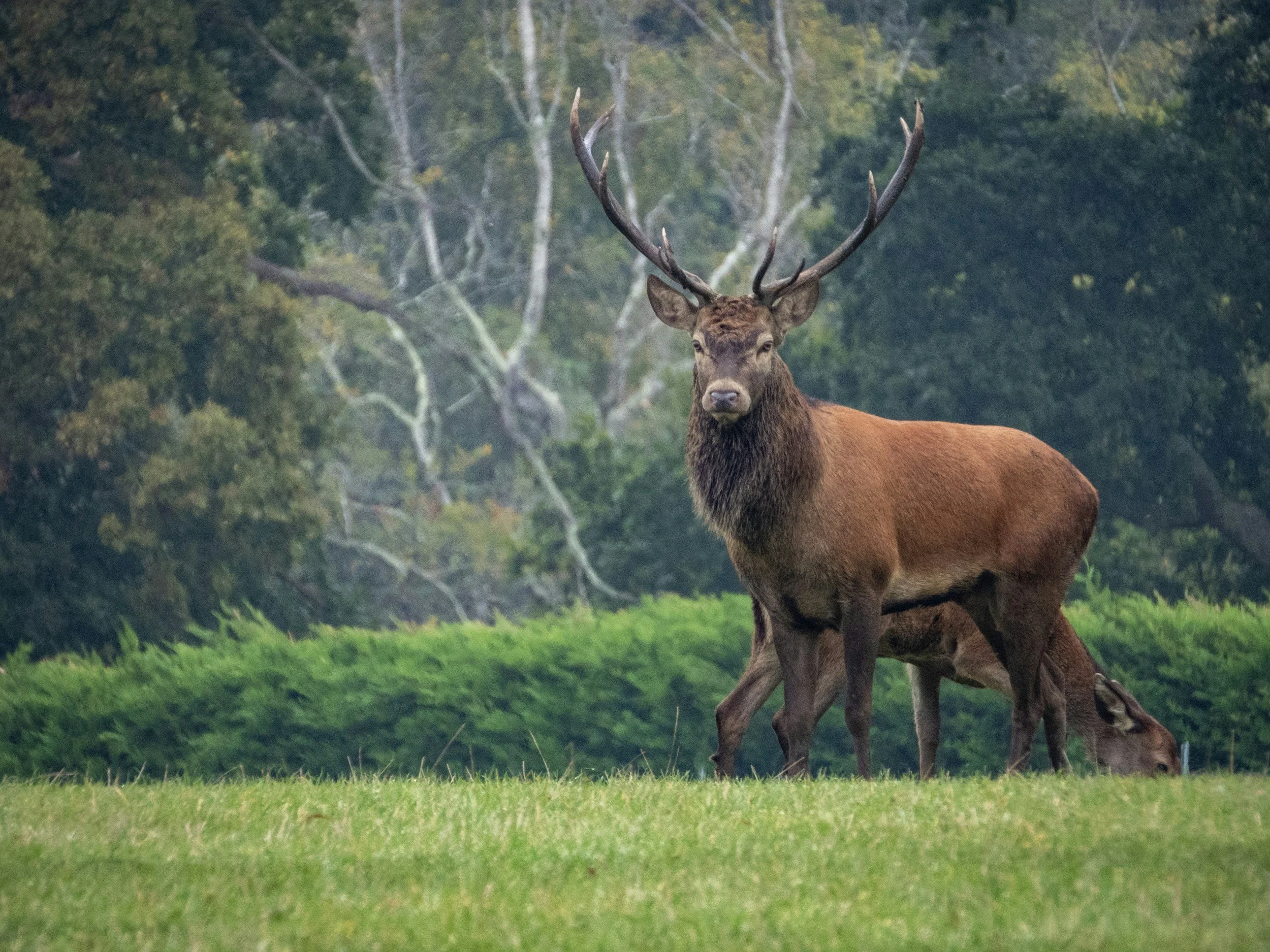
Red Deer (Cervus elaphus)
Native Status
Native
Identification
Largest UK deer species
Stags can exceed 200kg
Large branching antlers
Management Considerations
Significant browsing pressure
Woodland damage
Agricultural impacts
Common in upland and lowland habitats
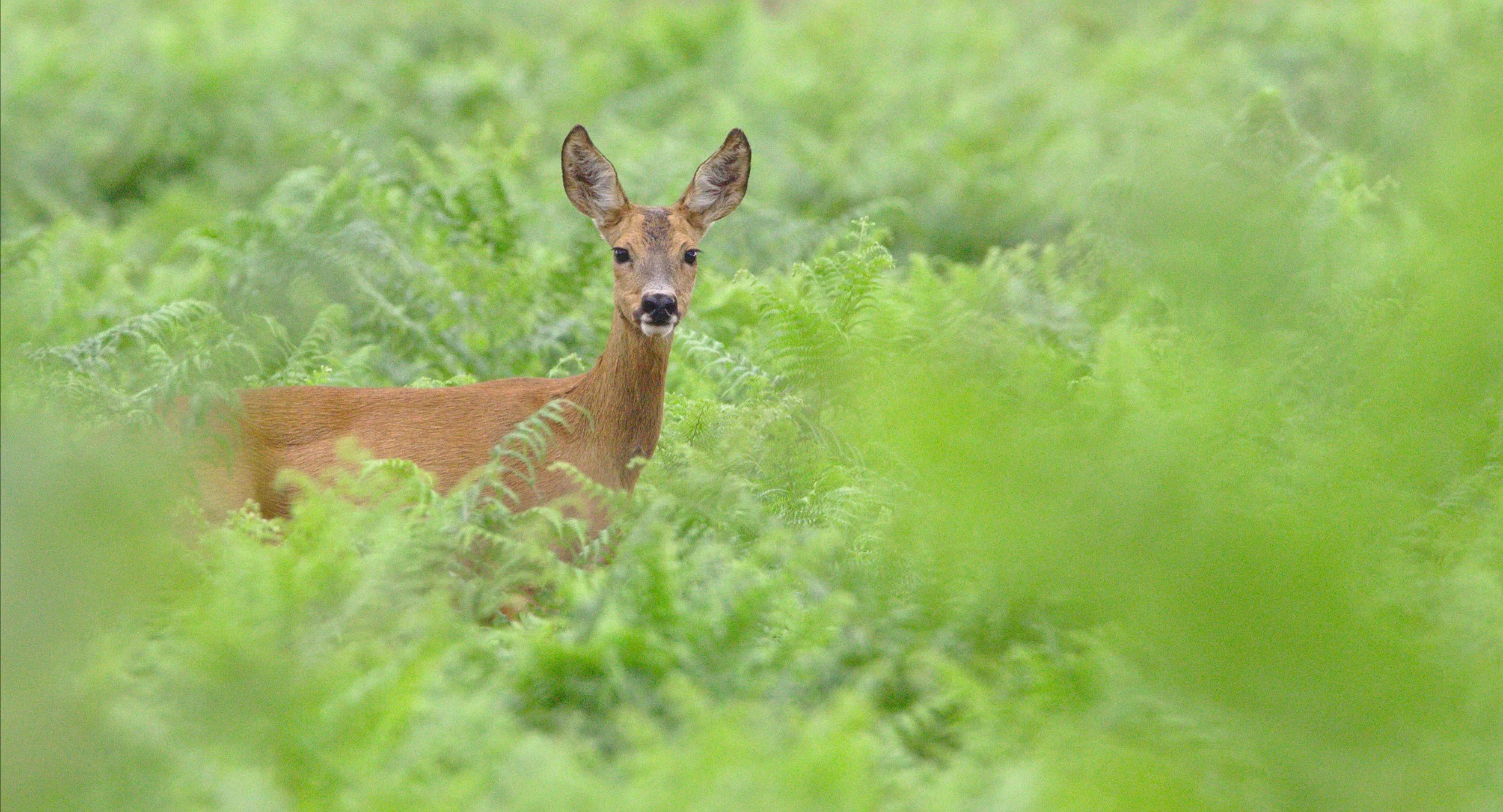
Roe Deer (Capreolus capreolus)
Native Status
Native
Identification
Medium-sized
Distinct white rump patch
Bucks carry relatively small antlers
Management Considerations
Common throughout England
Major impact on young woodland
Frequently encountered on farmland and woodland edges
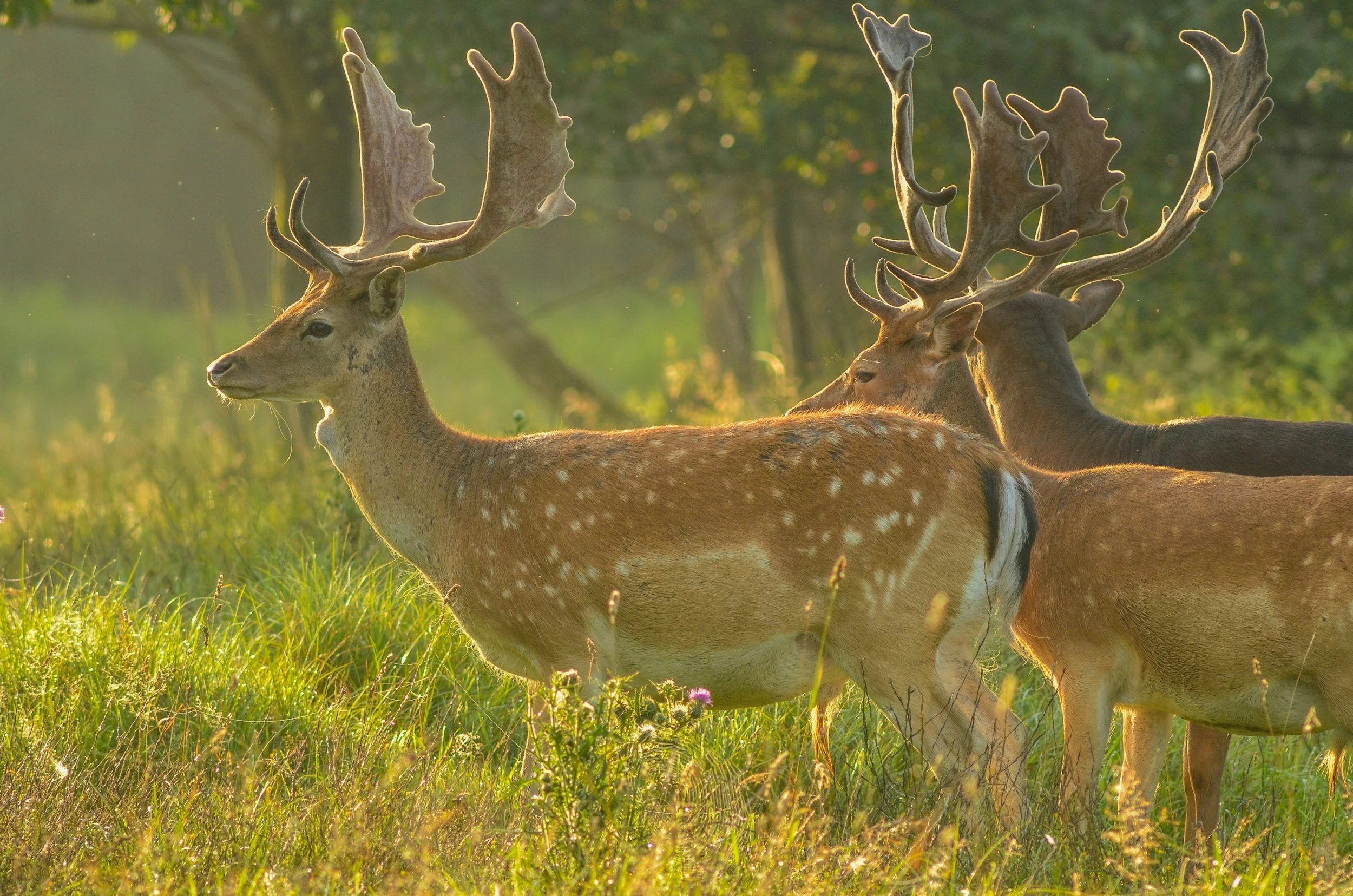
Fallow Deer (Dama dama)
Native Status
Introduced
Identification
Variable coat colours
Characteristic palmated antlers
Often found in herds
Management Considerations
Can reach high local densities
Significant woodland browsing pressure
Common across southern England
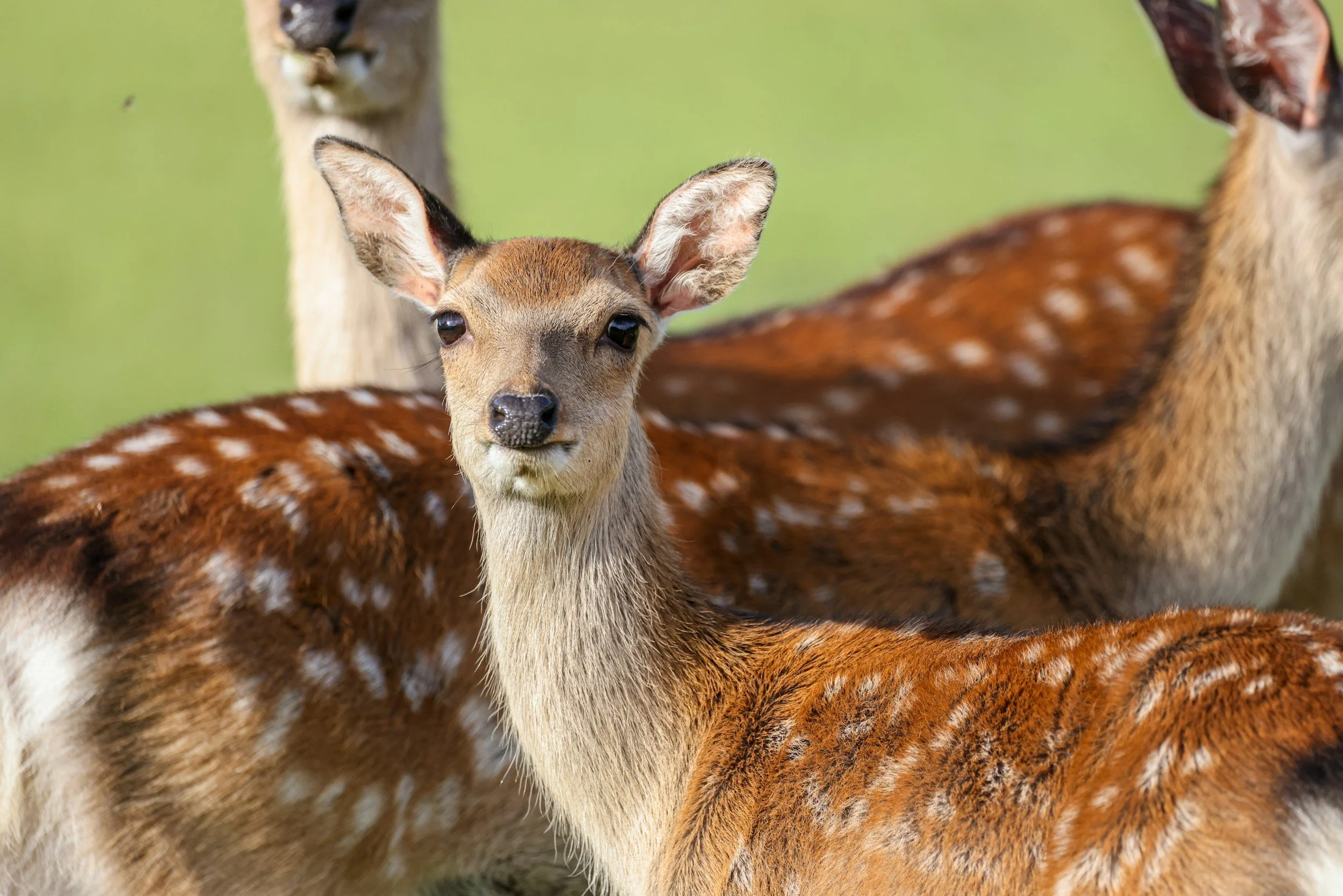
Sika Deer (Cervus nippon)
Native Status
Introduced
Identification
Similar appearance to red deer
Smaller body size
Distinctive call during rut
Management Considerations
Hybridisation risk with red deer
Significant ecological impacts
Managed as a non-native species in many areas
Reeves' Muntjac (Muntiacus reevesi)
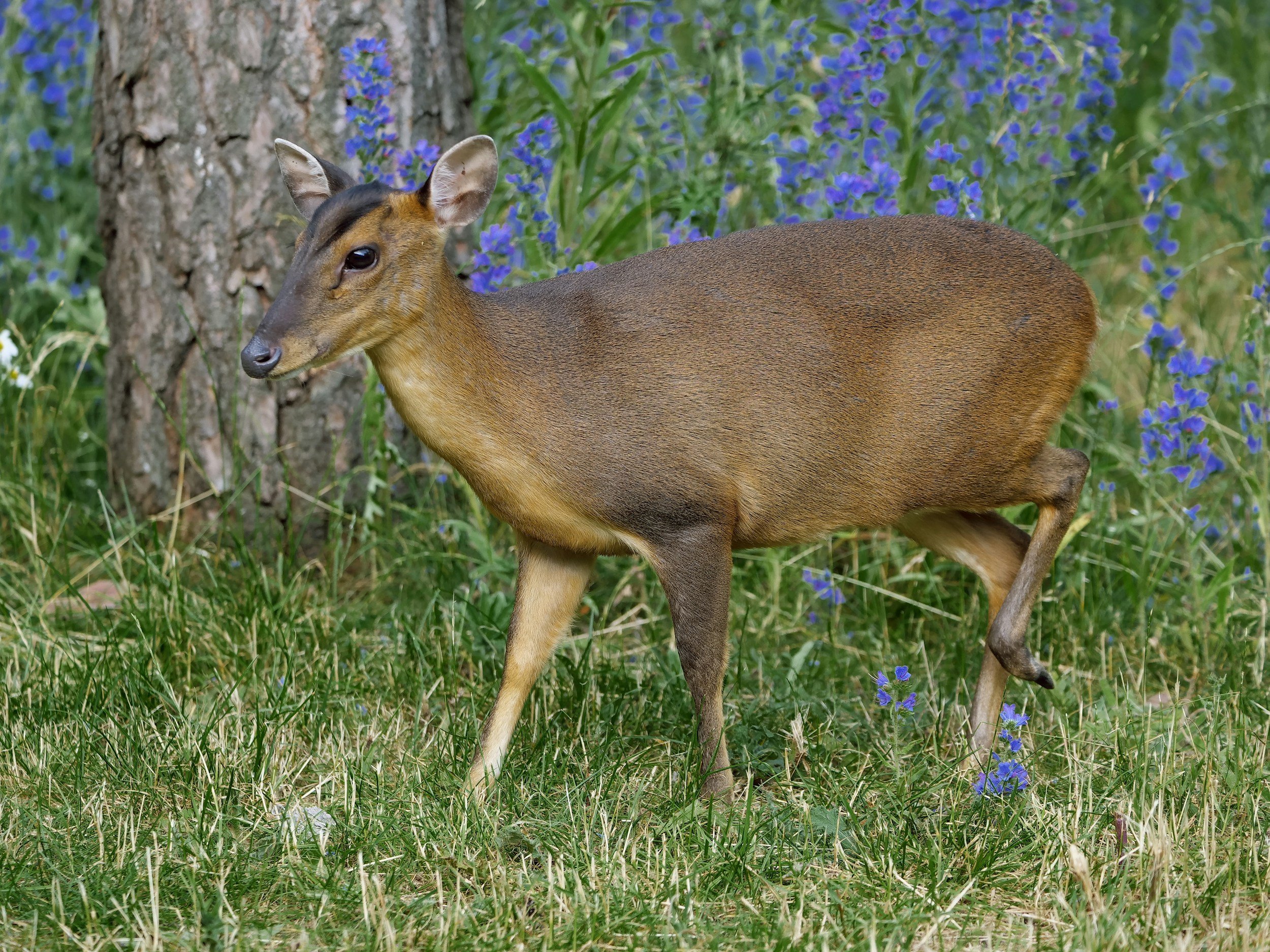
Native Status
Introduced
Identification
Smallest widespread deer species
Year-round breeding cycle
Distinctive barking alarm call
Management Considerations
No statutory closed season
Significant impacts on woodland flora
Particularly damaging to ancient woodland ground vegetation
Chinese Water Deer (Hydropotes inermis)
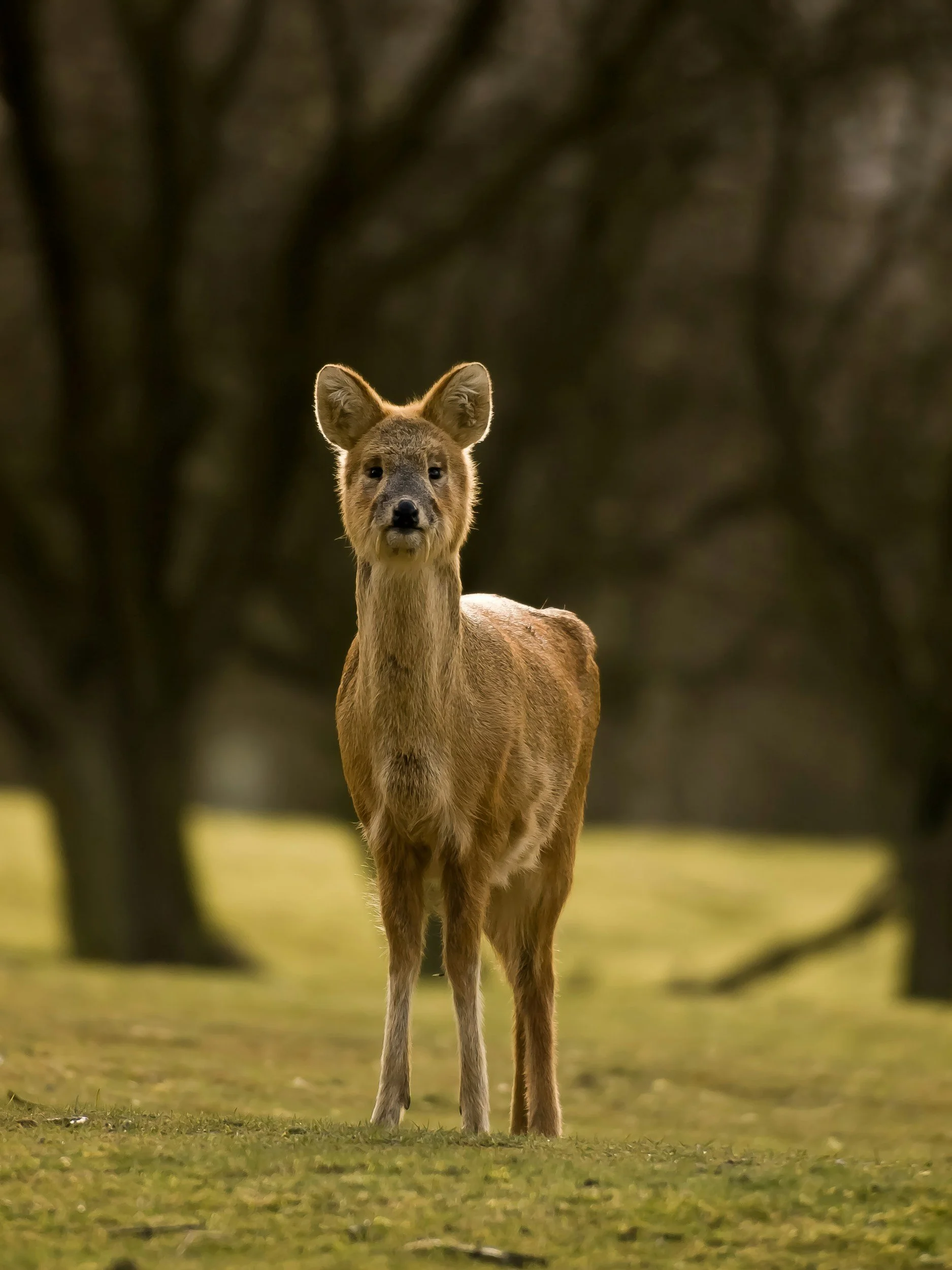
Native Status
Introduced
Identification
No antlers
Prominent tusk-like canine teeth
Primarily found in eastern England
Management Considerations
Expanding range
Increasing management importance
Included within government control schemes
Deer Ecology and Woodland Health
Effective deer management begins with understanding deer ecology.
Deer are natural browsers. They feed on:
Tree seedlings
Woodland shrubs
Ground flora
Agricultural crops
Hedgerow vegetation
At natural densities, deer play a valuable ecological role. However, where populations exceed habitat carrying capacity, browsing pressure suppresses woodland regeneration and reduces biodiversity.
The Forestry Commission identifies excessive deer impacts as one of the primary reasons many English woodlands fail to achieve favourable ecological condition.
Common Signs of Deer Damage
Browsing
Young shoots removed from:
Oak
Birch
Hazel
Sweet chestnut
Native woodland regeneration
Fraying
Antler rubbing causing:
Bark stripping
Stem damage
Tree mortality
Trampling
Ground flora damage
Soil disturbance
Reduced regeneration success
Grazing Pressure
Loss of woodland understory
Reduced habitat diversity
Decline in woodland bird and invertebrate populations
Deer Management Legislation in England
Professional deer management must comply with several key pieces of legislation.
Deer Act 1991
The principal legislation governing deer management in England and Wales.
The Act regulates:
Deer seasons
Methods of taking deer
Firearms requirements
Night shooting restrictions
Welfare standards
It is illegal to take deer during closed seasons except under specific exemptions or licences.
Wildlife and Countryside Act 1981
Provides protection for habitats and species that may be affected by deer management operations.
Animal Welfare Act 2006
Requires deer control activities to be conducted humanely and professionally.
Firearms Legislation
Appropriate firearms certificates and legal calibres must be used for deer management operations.
England Deer Seasons 2026
The following seasons apply in England and Wales.
Red Deer
Open Season Stags 1 August – 30 April Hinds 1 November – 31 March
Fallow Deer
Open Season Bucks 1 August – 30 April Doe’s 1 November – 31 March
Roe Deer
Open Season Bucks 1 April – 31 October Doe’s 1 November – 31 March
Sika Deer
Open Season Stags 1 August – 30 April Hinds 1 November – 31 March
Chinese Water Deer
Open Season Both Sexes 1 November – 31 March
Muntjac Deer
Open Seasonn Both Sexes No Closed Season
Always verify current legislation before undertaking management activities as regulations can change.
CWS1 Deer Control and Management Grant
One of the most important funding opportunities available to landowners is the CWS1 Deer Control and Management action under Countryside Stewardship Higher Tier.
What Is CWS1?
The CWS1 action is designed to reduce the impact of deer on priority habitats and species.
The scheme supports:
Woodland recovery
Habitat restoration
Species conservation
Sustainable land management
Current payments are available at £105 per hectare annually on eligible land.
Land That May Qualify
Eligible land generally includes areas where:
Roe deer
Red deer
Fallow deer
Sika deer
Chinese water deer
Muntjac
are causing measurable impacts to priority habitats and conservation objectives.
Evidence Required
Applicants typically need:
Deer impact assessments
Monitoring records
Deer Management Plans
Habitat condition surveys
Management objectives
Professional deer management contractors can assist landowners in preparing supporting evidence and delivering compliant management programmes.
Developing an Effective Deer Management Plan
A robust Deer Management Plan should include:
1. Population Assessment
Understanding:
Species present
Density estimates
Seasonal movements
2. Impact Monitoring
Assessing:
Woodland regeneration
Browsing pressure
Habitat condition
3. Cull Planning
Setting realistic objectives based on:
Habitat requirements
Population trends
Grant obligations
4. Ongoing Review
Monitoring outcomes and adapting management accordingly.
Why Professional Deer Management Delivers Better Results
Effective deer control requires more than occasional culling.
Successful programmes combine:
Scientific monitoring
Habitat assessment
Legislative compliance
Welfare standards
Long-term population management
This integrated approach protects woodland investment, supports biodiversity recovery and helps landowners meet increasingly demanding environmental objectives.
Deer Management Services Across the UK
At Wild Force, we provide professional deer management services designed to support landowners, farmers, estates, conservation organisations and woodland managers.
Our services include:
Deer surveys
Deer Management Plans
Woodland impact assessments
Population monitoring
Professional deer control
Habitat protection
Grant support and compliance
Long-term deer management strategies
Whether you are protecting a newly planted woodland, restoring an ancient woodland site, improving biodiversity outcomes or meeting Countryside Stewardship requirements, effective deer management is essential for success.
Contact WILDFORCE
If deer are affecting your woodland, farm, estate or conservation project, contact WILDFORCE today to discuss a tailored deer management strategy.
Professional Deer Management. Sustainable Woodland Recovery. Proven Results.