Rhododendron Control
as Part of a Temperate Rainforest Restoration Project
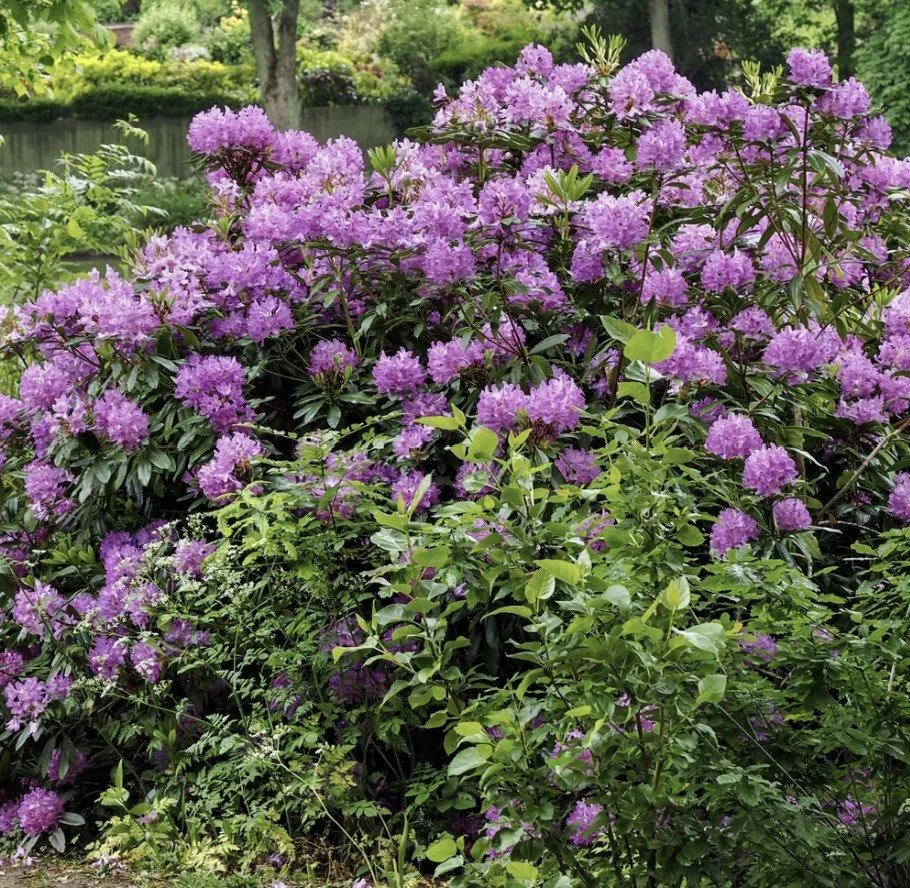
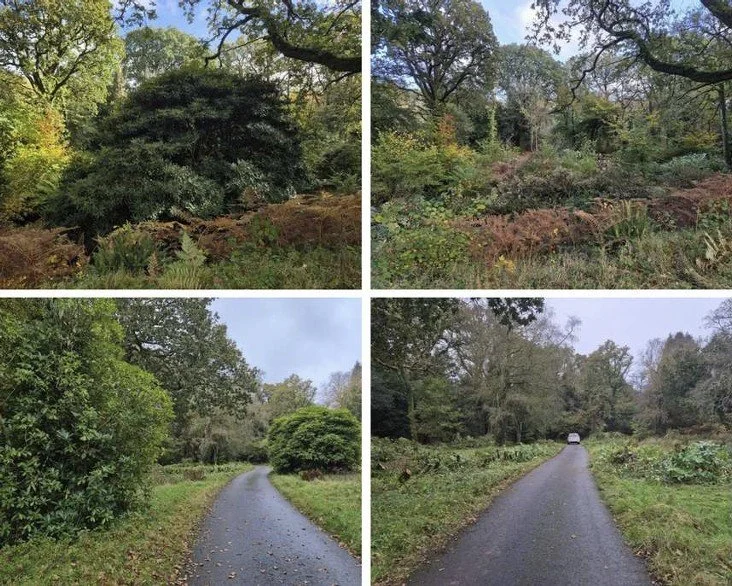
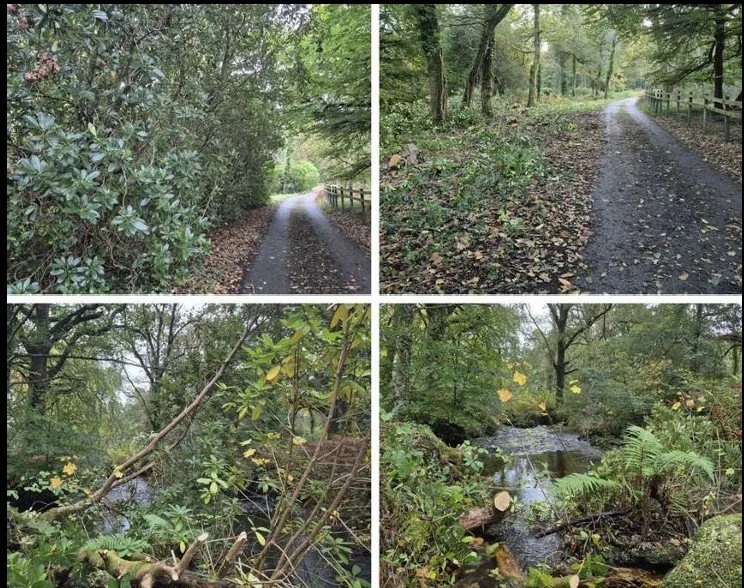
Rhododendron (Rhododendron ponticum) is one of the most ecologically destructive invasive species in the British Isles, forming dense, impenetrable thickets that shade out native ground flora, suppress natural regeneration, and fundamentally alter the structure and function of the habitats it colonises. Nowhere is its impact more keenly felt than in the temperate rainforest landscapes of western Britain — globally rare, lichen-rich Atlantic woodland that depends on high humidity, open canopy structure, and undisturbed bryophyte communities that rhododendron systematically destroys. Our rhododendron control work forms part of a broader temperate rainforest restoration programme, combining initial extent mapping and impact assessment with phased, systematic clearance operations designed to progressively open up the woodland canopy and allow native flora to recover. Control is carried out using a combination of cut-and-stump treatment and foliar herbicide application where appropriate, with programmes planned carefully to avoid disturbance to nesting birds and other sensitive species. Restoration monitoring tracks the response of ground flora, bryophytes, and natural regeneration over time, providing the evidence base needed to demonstrate project outcomes to funders and support ongoing stewardship commitments. This work represents some of the most rewarding and ecologically significant land management we undertake — contributing directly to the recovery of one of Europe's rarest and most threatened woodland types.